
When choosing sliding doors for your home or commercial property, one key decision factor is durability. Doors are a long-term investment, so selecting a material that ensures longevity and resilience is crucial. Among the most popular materials, wood, uPVC, and aluminum each have unique qualities—but when it comes to standing the test of time, aluminum sliding doors emerge as the clear winner.
In this blog, we’ll compare wood, uPVC, and aluminum sliding doors to determine which lasts the longest, highlighting why aluminum is the superior choice.
1. Overview of Materials
Wood Sliding Doors
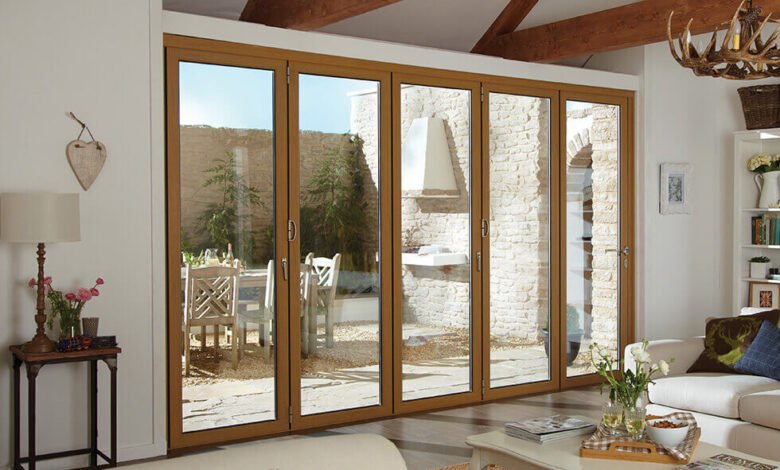
Wooden sliding doors are valued for their natural beauty and timeless appeal. They bring warmth and a classic charm to any space, making them a popular choice in traditional or rustic-style homes. However, their longevity depends heavily on proper maintenance and protection from environmental factors.
uPVC Sliding Doors
uPVC (Unplasticized Polyvinyl Chloride) is a lightweight, cost-effective material that is commonly used for sliding doors and windows. While uPVC is low-maintenance and affordable, its durability may not meet the demands of harsh climates or long-term use.
Aluminum Sliding Doors
Aluminum is a durable, lightweight, and versatile metal that is widely used in modern architecture. It is highly resistant to wear and tear, making aluminum sliding doors an excellent option for both commercial and residential spaces.
2. Durability in Various Conditions
A. Structural Strength
Wood: While strong, wood is prone to warping, bowing, and cracking over time, especially in areas with significant temperature and humidity fluctuations. Without regular treatment or maintenance, it can lose its structural integrity relatively quickly.
uPVC: uPVC is less structurally robust than wood or aluminum. It can warp or crack under high temperatures, and larger door panels require internal reinforcements to support their weight.
Aluminum: Aluminum sliding doors are naturally strong and have a high strength-to-weight ratio. They are resistant to bending, warping, or sagging, even when supporting large glass panels.
Winner: Aluminum
B. Weather Resistance
Wood: Wood is highly susceptible to weather damage. Moisture can cause swelling, rotting, or decay, while sunlight can fade finishes over time. While hardwood options or treated wood may last longer, they still require regular care to withstand environmental stress.
uPVC: uPVC offers decent resistance to water and does not rot. However, it struggles in extreme temperatures—warping and discoloration can occur in high heat, and the material can become brittle in freezing conditions.
Aluminum: Aluminum sliding doors are designed to handle all weather conditions. They do not absorb moisture, corrode, or weaken in extreme temperatures. Additionally, the material is typically treated with weather-resistant coatings, making it ideal for areas prone to rain, snow, sunlight, or humidity.
Winner: Aluminum
C. Longevity
Wood: The lifespan of wood sliding doors depends on maintenance. Regular sealing, painting, and repairs can keep wood doors functional for a longer time. Without proper upkeep, wood doors can deteriorate significantly within 10–20 years.
uPVC: uPVC sliding doors have a limited lifespan, typically lasting around 10–20 years. Over time, they can fade, crack, or warp due to wear and environmental exposure.
Aluminum: Aluminum sliding doors have the longest lifespan among the three materials. With proper care, they can last 30+ years or more without losing their appearance, structural integrity, or functionality.
Winner: Aluminum
D. Maintenance Requirements
Wood: Wooden sliding doors require the highest level of maintenance. Regular treatment, sanding, painting, and refinishing are necessary to protect against rot, pests, and weather damage.
uPVC: uPVC is low-maintenance compared to wood. Simple cleaning and occasional inspections are enough to keep it functional. However, once the material becomes damaged or discolored, repairs are difficult, and replacement is often needed.
Aluminum: Aluminum sliding doors offer the easiest maintenance. Thanks to their durable powder coatings or anodized finishes, they resist rust and stains. A regular wipe-down to remove dust or debris is all that’s typically needed to keep them in top shape.
Winner: Aluminum
E. Environmental Impact
Wood: While wood is a renewable material, its environmental impact depends on sourcing. Non-sustainable logging practices can have a detrimental effect on ecosystems, and wood treatment processes may involve harmful chemicals.
uPVC: uPVC is a synthetic material made from fossil fuels, making it less eco-friendly. While some manufacturers recycle uPVC, the process can be energy-intensive, and unused material may contribute to landfill waste.
Aluminum: Aluminum is 100% recyclable and maintains its quality even after being recycled multiple times. Many aluminum door manufacturers use recycled materials, making it a sustainable option. Additionally, aluminum’s long lifespan means fewer replacements, resulting in less waste over time.
Winner: Aluminum
3. Aesthetic and Design Versatility
While this blog focuses on durability, it’s important to consider aesthetics and design flexibility, as it ties into the material’s long-term value.
Wood: Offers timeless beauty and a warm, natural look. However, maintaining its aesthetic appeal requires regular upkeep, especially in changing climates.
uPVC: Available in standard colors and finishes, but less versatile and less visually appealing than wood or aluminum.
Aluminum: Allows for slim, sleek frame designs, maximizing glass surface and natural light. With extensive powder-coating options and textured finishes, aluminum can suit modern, industrial, or even traditional styles.
Winner: Aluminum (with an honorable mention for wood’s classic charm)
4. Cost vs. Durability
Wood: Wooden sliding doors are often expensive upfront, and their high maintenance costs—frequent painting, sealing, and repairs—can make them costly in the long run.
uPVC: While uPVC is budget-friendly to install, its relatively short lifespan makes it less cost-effective over time, especially if frequent repairs or replacements are necessary.
Aluminum: Aluminum sliding doors tend to have a higher upfront cost compared to uPVC, but their durability, low maintenance, and long lifespan make them the most cost-effective option in the long term.
Winner: Aluminum
Aluminum Sliding Doors Last the Longest
When it comes to longevity, aluminum sliding doors outperform wood and uPVC in every major category. They are stronger, more weather-resistant, and less prone to damage over time. Additionally, they require minimal maintenance and offer excellent value for long-term use.