How Strand Woven Sustainable Bamboo Flooring Options Reduce Commercial Building Carbon Footprints

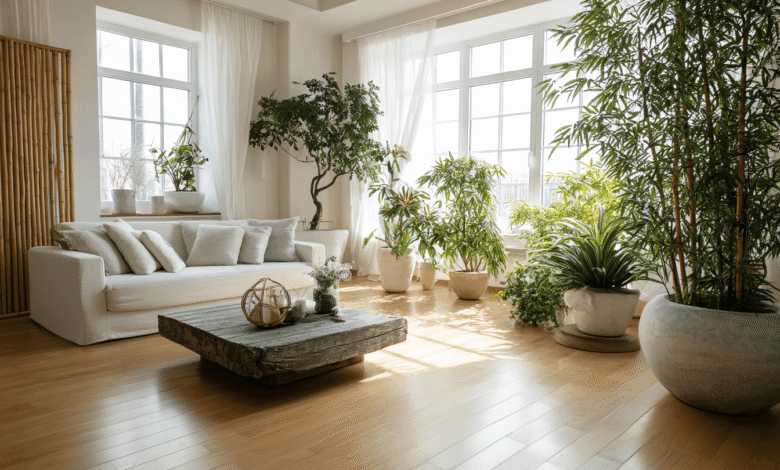
Architects and facility managers charged with reducing the environmental impact of commercial spaces often face a dilemma: how to specify a durable, attractive flooring material that genuinely lowers the building’s carbon emissions over time. This challenge is even more significant in projects aiming for net-zero or LEED certification, where every material must be selected for both performance and sustainability. Strand woven Sustainable Bamboo Flooring Options present a practical answer. By choosing this renewable resource, design teams can cut embodied carbon from the outset and lock away climate-warming gases for decades, all while delivering the strength and visual appeal required for high-traffic environments.
Material Science Behind Strand Woven Bamboo Production
Strand woven bamboo uses a unique manufacturing process that fundamentally distinguishes it from traditional wood flooring. Instead of slicing bamboo into planks, manufacturers shred the bamboo stalks into strands, which are then pressed together under intense heat and pressure with eco-friendly adhesives. This results in a material denser than most hardwoods, offering exceptional resistance to impacts and wear—qualities necessary for busy commercial spaces.
One key detail is the rapid renewability of bamboo plants. Unlike hardwood trees that take decades to mature, bamboo can be harvested every five to seven years without killing the root system. The dense structure achieved during the strand weaving process means these flooring products perform comparably to conventional hardwoods, while requiring far less land and time for production. Understanding the differences between bamboo and hardwood flooring production helps specifiers see the benefits in carbon impact and resource use.
Compared to fossil fuel-intensive materials like vinyl or tile, strand woven bamboo captures and stores carbon absorbed during the plant’s fast growth. This locked-in carbon remains sequestered throughout the floor’s life, making it a practical choice for commercial upgrades prioritizing sustainability.
Measuring Embodied Carbon in Commercial Architecture Materials
The concept of “embodied carbon” refers to the total greenhouse gas emissions produced during the extraction, manufacturing, and transport of building materials. For flooring, every stage from raw material harvest to installation counts. Strand woven Sustainable Bamboo Flooring Options often outperform conventional choices because the carbon sequestered during bamboo’s fast growth offsets much of the emissions from processing and shipping.
In practical terms, third-party environmental product declarations (EPDs) can be used to compare flooring types. These documents outline the full carbon footprint of a product, providing transparency for architects and building owners. Bamboo’s low embodied carbon figure is due to both its renewable growth cycle and its efficient processing methods. As more commercial projects prioritize embodied carbon in building material selection, interest in rapidly renewable flooring continues to grow.
When evaluating options, look for products with published EPDs and ask suppliers to provide details on their sourcing and transportation practices. This ensures each project accurately accounts for the carbon impact of every square foot installed.
Lifecycle Assessment of Eco Friendly Commercial Flooring Solutions
Lifecycle assessment (LCA) provides a holistic view of a material’s environmental impact, covering raw material sourcing, manufacturing, use phase, and end-of-life disposal or recycling. Strand woven bamboo stands out in LCAs because it starts with a rapidly renewable crop, is manufactured with low-emission adhesives, and often lasts as long as or longer than traditional hardwood in commercial settings.
Unlike flooring that requires frequent replacement or emits harmful substances during its lifespan, quality bamboo products consistently demonstrate low maintenance needs and minimal indoor air quality impact. When a facility eventually renovates, many bamboo floors can be recycled or even composted, further reducing landfill waste.
For specifiers comparing Sustainable Bamboo Flooring Options, a lifecycle approach highlights the benefits of choosing a product that not only has a small carbon footprint up front, but also maintains those environmental advantages through decades of use. This makes it an attractive option for organizations seeking long-term, measurable sustainability gains.
Achieving Green Building Certifications Through Renewable Hardwood Alternatives
Many commercial projects aim for certifications such as LEED, WELL, or BREEAM, which reward material choices that reduce carbon emissions and use rapidly renewable resources. Strand woven bamboo is recognized in these frameworks as a renewable alternative to tropical hardwoods, helping project teams earn credits for responsible sourcing, low embodied carbon, and indoor air quality.
Documentation for these certifications often requires proof of renewable harvesting methods, recycled content, and non-toxic adhesives—all features present in high-quality strand woven bamboo floors. By meeting these requirements, buildings not only position themselves as leaders in sustainability, but also unlock operational benefits such as healthier indoor environments and potential tax incentives.
Specifying strand woven Sustainable Bamboo Flooring Options can be a straightforward way for commercial building owners to meet multiple certification criteria with a single decision, reinforcing a commitment to measurable environmental responsibility.
Conclusion
To make meaningful progress in reducing a commercial building’s carbon footprint, prioritize flooring products that combine rapid renewability, low embodied carbon, and third-party environmental documentation. Reviewing the specific requirements of your project’s green building standard and asking for detailed product data from suppliers will help ensure your flooring choice delivers both immediate and lasting climate benefits.