
Japanese-style interiors feel calm and balanced. They focus on space, light, and simple materials. This approach suits many modern homes, not only traditional houses. If you want an easy way to bring the mood into a room, japanese peel and stick wallpaper can help you set the tone without major work. A subtle pattern or natural motif often does more than bright colors or busy decor.
What Defines a Japanese-Style Space
Japanese design puts comfort and function first. It values clean lines and open floor space. It also favors natural textures, like wood, linen, bamboo, and paper-like surfaces. You often see low furniture, soft lighting, and calm color palettes.
This style also connects to a few well-known ideas. One is wabi-sabi, which appreciates simple beauty and natural imperfections. Another is ma, which focuses on “breathing room” and the space between objects. You do not need to copy a traditional home to use these principles. You can adapt them to a city apartment or a family house.
Living Room: A Natural Fit for Calm and Conversation
A living room works well in Japanese style because it benefits from openness. You can keep furniture low and leave clear pathways. That makes the room feel larger, even if it is not.
To make it work, focus on a few key moves:
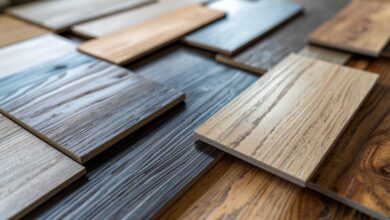
- Choose one main material direction, such as light oak or warm walnut.
- Use a low sofa or simple armchairs with clean shapes.
- Add texture through a rug, linen curtains, or woven baskets.
- Keep decor minimal and meaningful, not random.
A Japanese-style living room also handles multi-use life well. It can support reading, tea with friends, or quiet evenings. The trick is to avoid overcrowding. One strong focal point, like a single art piece or a plant, often looks better than a shelf full of small objects.
Bedroom: The Style’s “Home Base”
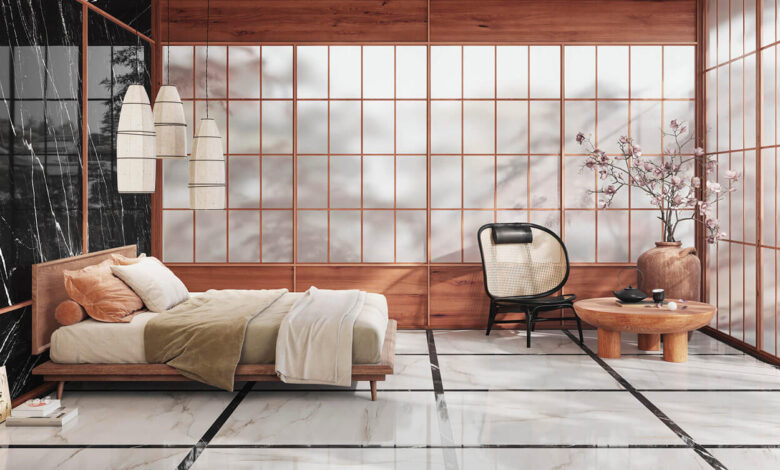
If you want the biggest comfort impact, start with the bedroom. Japanese-inspired bedrooms feel restful because they reduce visual noise. They also rely on warm, soft lighting rather than harsh overhead glare.
Simple examples that people recognize: a platform bed, neutral bedding, and a clean nightstand with one lamp. Add natural textiles like cotton or linen. For color, think off-white, warm gray, sand, muted green, or deep charcoal as an accent.
This room also benefits from order. Hidden storage and uncluttered surfaces match the mood. If your bedroom tends to collect “stuff,” Japanese style pushes you to edit it down.
Kitchen and Dining Area: Minimal, Practical, Easy to Maintain
A kitchen can work beautifully with Japanese design because both value function. Smooth work surfaces, smart storage, and clear zones for cooking fit the mindset.
In dining spaces, a simple table and comfortable seating matter more than decoration. You can bring in the style through materials and small details: wood grain, matte ceramics, and simple linens.
Here are good choices that keep the look practical:
- Light wood or matte finishes that hide fingerprints better than glossy surfaces
- Simple handles and clean cabinet fronts
- Open shelves used sparingly, with matching dishes
- A few quality tools on display, not a crowded counter
Bathroom: Spa-Like, But Only If You Keep It Simple
A bathroom can feel like a small retreat in a Japanese-inspired home. The goal is a clean, spa-like mood. Choose natural tones, soft lighting, and tidy storage. Use texture carefully, because bathrooms deal with humidity.
If you want wood, look for moisture-safe options and good ventilation. Add a bath mat with texture, simple towels, and a small plant if the room gets enough light. Keep surfaces clear. That calm “onsen” feeling comes from simplicity.
Home Office: Focus-Friendly and Quiet
A Japanese-style workspace helps concentration. It encourages fewer distractions and a clean setup. A simple desk, good chair, and warm task light go a long way. Add one calming element, like a small plant, a neutral art print, or a textured wall behind the desk.
This style works especially well for video calls. A plain, tidy background reads professional. It also feels less tiring over a long day.
Hallway and Entryway: Small Space, Big First Impression
Entryways often become clutter zones. Japanese style helps you control that. Use a small bench, closed storage for shoes, and a tray for keys. A mirror can add light. One plant or one framed print is enough.
This is also a smart place to test the style if you feel unsure. Small rooms let you experiment without redoing your whole home.
Rooms That Need Extra Thought
Japanese design can work almost anywhere, but a few spaces need planning. Kids’ rooms require storage and color. You can still keep clean lines and natural materials, but you may need flexible systems for toys and books. Very busy family rooms may also need more durable finishes and easy-clean fabrics.
A helpful rule: keep the base calm, then add controlled personality through textiles, art, and one accent surface.
- Keep walls and large furniture neutral
- Add interest through texture, not clutter
- Choose a few items you truly like and let them stand out
- Use warm, layered lighting in every room
Japanese style is not about making a home empty. It is about making it clear. When you match the approach to the right room, the space feels calmer, brighter, and easier to live in.