
The Art of Mindful Writing: How Upcycled Orchard Wood Is Transforming Eco-Friendly Stationery

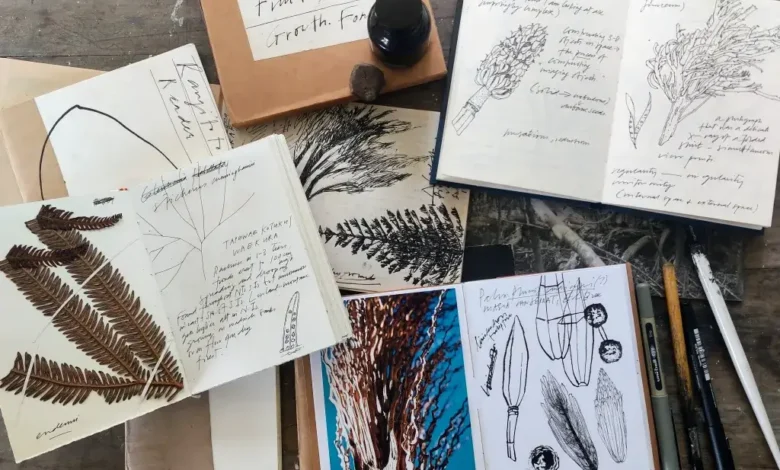
In our modern, high-speed digital world, the simple tactile joy of writing with graphite on paper provides a grounding creative outlet. Writers, sketch artists, journaling enthusiasts, and students alike are rediscovering the mindfulness that comes with putting pencil to paper. However, as global awareness of environmental conservation grows, everyday consumers are taking a closer look at the environmental footprint left behind by conventional stationery and school supplies. Standard pencil manufacturing often contributes to unnecessary deforestation, chemical pollution, and high industrial carbon emissions across global supply chains.
The Ecological Impact of Traditional Pencil Production
Mass-produced wooden pencils are commonly manufactured using virgin timber sourced from mature forests, such as cedar and basswood. The timber undergoes extensive industrial processing, kiln drying, chemical treatments, and high-energy manufacturing lines before ever reaching retail shelves. Beyond the raw materials consumed, the global supply chain responsible for harvesting, shipping, and distributing disposable stationery generates substantial greenhouse gas emissions that accelerate climate change. When conventional wooden pencils are finished, their synthetic coatings, chemical lacquers, glued joints, and metal ferrules often end up in landfills, contributing to persistent municipal waste streams.
Fortunately, eco-conscious artisans and sustainable creators are redefining the stationery landscape. Instead of cutting down living forests for new materials, innovative craftspeople are turning to agricultural waste streams and natural orchard prunings. Utilizing reclaimed orchard wood ensures that no living trees are felled simply to make writing tools. These unique instruments preserve the natural texture, raw bark, and organic grain of the reclaimed branches, offering a distinct aesthetic and tactile experience for every user who values sustainable design.
Transforming Reclaimed Orchard Branches into Functional Art
The process of crafting eco-friendly stationery from pruned orchard wood begins with selective seasonal pruning. Fruit orchards—including apple, cherry, peach, and pear trees—require regular annual pruning to maintain tree health, encourage fruit yields, and remove dormant or crowded branches. Historically, this agricultural byproduct was either burned in open field fires or discarded in heaps as agricultural waste. Today, sustainable makers harvest these seasoned branch cuttings and carefully transform them into functional writing instruments that honor the tree from which they came.
Each branch is carefully dried in controlled environments, naturally seasoned, and precision-hollowed to accept a high-quality graphite core. Because the natural bark and organic contours are deliberately preserved, no two pencils are ever completely identical in shape, curve, or grip. Choosing handcrafted twig pencils allows conscious consumers to celebrate authentic craftsmanship while directly supporting zero-waste principles. This thoughtful approach transforms agricultural residues into durable, aesthetically pleasing tools designed for everyday journaling, creative sketching, mindful drawing, and executive note-taking.
Why Natural Materials Enhance the Creative Mindset
Working with writing tools that retain their natural wood texture creates an immediate sensory connection to the natural world. Unlike sterile, uniform plastic pens or mass-stamped wooden pencils, an upcycled branch pencil feels organic, comfortable, and grounding in the hand. Many artists and writers find that using tactile, sustainable tools encourages greater presence and creative focus during daily writing routines. The unique ergonomics of natural wood also reduce hand fatigue during extended journaling sessions.
Furthermore, incorporating botanical, renewable elements into modern home workspaces and art studios creates an inspiring environment centered on circular design. When students and professionals choose tools that reflect their environmental values, it reinforces a broader daily commitment to waste reduction and conservation across all aspects of life.
Mindful Writing and Sustainable Living for the Future
Embracing sustainable writing tools is a tangible step toward living a more intentional, low-impact lifestyle. By choosing stationery made from upcycled orchard trimmings, individuals actively support circular economy business models that minimize raw resource consumption and celebrate local agriculture. When these pencils reach the end of their usable life, their natural wooden bodies can be composted without releasing harmful microplastics or toxic chemicals into the soil.
Whether you are drafting a novel, taking meeting notes, planning your week, or sketching in an art journal, using tools crafted with ecological integrity elevates the creative process. Upcycled branch stationery demonstrates that practical utility, beautiful aesthetics, and environmental stewardship can coexist seamlessly in our daily work and creative pursuits.