Remote Work Setup: The Ultimate Powerful Guide to Building a Productive and Stress-Free Workspace

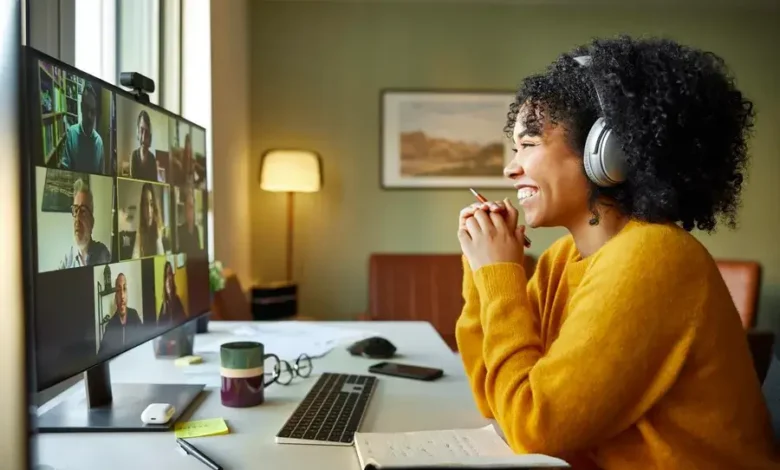
Remote work has transformed the modern workplace in ways few people imagined just a few years ago. Businesses around the world now allow employees to work from home, coffee shops, coworking spaces, and even while traveling. The traditional office is no longer the only place where serious work happens. This shift has created exciting opportunities for flexibility, freedom, and work-life balance. At the same time, it has also introduced new challenges that many workers struggle to manage every day.
A proper remote work setup is no longer a luxury. It is a necessity for anyone who wants to remain productive, healthy, and mentally focused while working from home. Many people make the mistake of working from their couch or bed, thinking it saves time or feels more comfortable. Unfortunately, that habit often leads to poor posture, reduced productivity, distractions, and even long-term health issues. Your workspace directly affects your mood, energy levels, and concentration.
The good news is that building an effective home office does not require a massive budget or a huge room. Even a small corner of your home can become a highly efficient workstation with the right planning. The key is understanding how different elements like furniture, lighting, internet speed, and organization work together to create an environment that supports deep focus and efficiency.
This guide explores everything you need to know about creating the ideal remote office. From ergonomic furniture to cybersecurity, from productivity tips to workspace design, every section is designed to help you work smarter rather than harder. Whether you are a freelancer, remote employee, entrepreneur, or student, these insights can help you build a workspace that truly supports your goals.
Why Remote Work Is Growing Rapidly
The rise of remote work is not just a trend. It represents a major shift in how companies operate and how employees prefer to work. Businesses discovered that remote teams can often perform just as efficiently as office teams while reducing costs related to office rent, utilities, and maintenance. Employees, on the other hand, enjoy the flexibility of avoiding daily commuting, saving transportation costs, and spending more time with family.
Technology has also played a major role in this transformation. Video conferencing platforms, cloud storage systems, and collaboration tools make it easier than ever for teams to communicate and manage projects from different locations. Workers can now attend meetings, share files, and complete tasks seamlessly without stepping into a physical office. This convenience has encouraged many companies to adopt hybrid or fully remote work models permanently.
Despite these advantages, remote work is not perfect. Many workers experience isolation, communication gaps, and difficulty separating work from personal life. Without a structured office environment, distractions can quickly reduce efficiency. That is why having a dedicated and organized remote work setup becomes incredibly important. A well-designed workspace helps create a professional mindset even while working from home.
Another reason remote work continues to grow is the changing expectations of younger generations entering the workforce. Many professionals now prioritize flexibility over traditional office culture. Companies that fail to offer remote or hybrid options may struggle to attract top talent. This means remote work is likely to remain a central part of the future workplace for many years.
Essential Elements of a Remote Work Setup
Creating an effective remote workspace starts with understanding the essential components that contribute to comfort and productivity. A proper setup is not only about having a laptop and internet connection. It involves designing an environment that helps you maintain focus, protect your physical health, and improve work performance throughout the day.
The first step is choosing a dedicated workspace. Ideally, this should be a quiet area with minimal distractions. Working in the same place every day helps train your brain to enter work mode more easily. Even if you live in a small apartment, using a specific corner for work can make a significant difference. Consistency creates mental structure, and structure improves discipline.
Ergonomics also play a major role in remote work success. Sitting in an uncomfortable chair for long hours can lead to back pain, neck strain, and fatigue. Investing in an ergonomic chair and a properly sized desk can dramatically improve your comfort and long-term health. Your monitor should be positioned at eye level, and your keyboard should allow your wrists to remain relaxed while typing.
Organization matters more than many people realize. A cluttered desk often leads to a cluttered mind. Keeping your workspace clean and organized improves concentration and reduces stress. Simple additions like cable organizers, shelves, and desk storage solutions can create a more professional and calming environment.
Temperature and airflow also influence productivity. A workspace that feels too hot or too cold can make it difficult to concentrate. Natural ventilation and comfortable room temperature help maintain focus during long working hours. These small environmental factors may seem minor, but together they have a powerful impact on your daily performance.
Importance of Ergonomic Furniture
Best Desk Options for Small Spaces
Many remote workers underestimate the importance of selecting the right desk. A poor desk setup can create discomfort and reduce productivity over time. The ideal desk should provide enough surface area for your computer, accessories, and essential work materials without making the room feel overcrowded.
Compact desks are excellent for small apartments or shared spaces. Foldable desks, wall-mounted desks, and corner desks help maximize limited space while still providing a professional work environment. Standing desks have also become increasingly popular because they encourage movement and reduce the risks associated with sitting for extended periods.
Why an Ergonomic Chair Matters
An ergonomic chair is one of the most important investments in any remote work setup. Sitting for hours in a poorly designed chair can damage posture and create chronic pain. A quality chair supports your lower back, encourages proper alignment, and reduces physical stress during long work sessions.
Here is a simple comparison of common chair types:
| Chair Type | Comfort Level | Best For |
|---|---|---|
| Dining Chair | Low | Short-term use |
| Gaming Chair | Medium | Casual work sessions |
| Ergonomic Office Chair | High | Full-time remote work |
A proper chair helps improve concentration because physical discomfort becomes less distracting. When your body feels supported, your mind can focus more effectively on tasks and creative thinking.

Technology You Need for Remote Work
Technology forms the backbone of every successful remote work environment. Without reliable equipment, even the most talented worker will struggle to maintain efficiency. The first priority should always be a dependable computer or laptop that matches your workload requirements. Graphic designers, video editors, and programmers may require powerful systems with advanced processing capabilities, while general office workers may only need a standard laptop with stable performance.
Internet quality is equally critical. Slow internet can destroy productivity and create frustration during meetings or collaborative tasks. A reliable high-speed connection ensures smoother communication, faster uploads, and uninterrupted workflow. Many professionals now use backup internet options like mobile hotspots to avoid unexpected outages during important meetings.
Accessories can significantly improve comfort and efficiency. External keyboards, wireless mice, monitor stands, webcams, and noise-canceling headphones are all valuable additions to a professional remote setup. Dual monitors are especially useful for multitasking because they allow users to manage multiple applications without constantly switching windows.
Below is a quick overview of useful remote work accessories:
| Accessory | Main Benefit |
|---|---|
| Noise-Canceling Headphones | Reduce distractions |
| External Monitor | Improve multitasking |
| Webcam | Enhance video meetings |
| Mechanical Keyboard | Faster and comfortable typing |
| Surge Protector | Protect devices from power damage |
Technology should simplify work rather than complicate it. Choosing reliable equipment helps reduce stress and allows you to focus fully on your tasks instead of technical problems.
Creating a Distraction-Free Environment
One of the biggest challenges remote workers face is dealing with distractions. Unlike traditional offices, home environments often include noise, interruptions, family responsibilities, and countless temptations that reduce focus. Building a distraction-free workspace requires intentional planning and consistent habits.
Noise management is essential. Background sounds from traffic, television, or household activities can break concentration and reduce productivity. Noise-canceling headphones are highly effective for maintaining focus during important tasks. Some people also use white noise or calming instrumental music to create a more productive atmosphere.
Lighting has a surprisingly powerful impact on mental performance. Natural light is ideal because it improves mood and reduces eye strain. If natural light is limited, using warm LED desk lamps can help create a comfortable environment. Poor lighting often leads to headaches, fatigue, and reduced energy levels throughout the day.
Another important strategy is setting boundaries with family members or roommates. Clear communication helps others understand when you are working and should not be interrupted. Establishing specific working hours also helps maintain a healthier work-life balance. Without boundaries, work can easily consume personal time and increase stress.
Your environment influences your behavior more than you may realize. A calm, organized, and quiet workspace creates the mental conditions necessary for deep work and consistent productivity.

Productivity Tips for Remote Workers
Remote work offers flexibility, but flexibility without discipline can quickly become chaos. Productivity depends heavily on structure, routine, and personal accountability. Many remote workers struggle because they approach work casually instead of professionally. Building productive habits is essential for long-term success.
Time management techniques such as the Pomodoro Technique can improve focus dramatically. This method involves working for 25 minutes followed by a short break. These focused intervals help maintain energy and prevent burnout. Scheduling tasks in advance also helps eliminate decision fatigue and improves workflow efficiency.
Creating a morning routine can mentally prepare you for work. Many successful remote workers start their day with exercise, planning, or reading before checking emails. These routines create momentum and reduce procrastination. Getting dressed for work, even at home, can also improve mental focus and motivation.
Avoiding multitasking is another important productivity strategy. Constantly switching between tasks reduces efficiency and increases mental fatigue. Focusing on one task at a time leads to better quality work and faster completion rates. Productivity is not about staying busy all day; it is about completing meaningful tasks effectively.
Breaks are equally important. Working nonstop often reduces creativity and increases stress. Short breaks help refresh the mind and improve long-term concentration. Remote workers who balance focused work with proper rest usually achieve higher performance and better mental well-being.
Cybersecurity and Privacy in Remote Work
As remote work continues to expand, cybersecurity has become more important than ever. Many workers access sensitive company information from home networks that may not have strong security protections. Cybercriminals often target remote workers because home setups can be more vulnerable than corporate office systems.
Using strong passwords is one of the simplest but most effective security measures. Passwords should include a combination of letters, numbers, and symbols while avoiding predictable information like birthdays or names. Password managers can help generate and store secure passwords safely.
Virtual Private Networks, commonly known as VPNs, add another layer of protection by encrypting internet traffic. This is especially useful when working on public Wi-Fi networks in cafes, airports, or coworking spaces. VPNs help protect confidential data from hackers and unauthorized access.
Keeping software updated is equally important. Operating system updates and antivirus programs often include critical security patches that protect against new threats. Ignoring updates can leave devices vulnerable to malware and cyberattacks.
Remote workers should also remain cautious about phishing emails and suspicious links. Cybercriminals frequently use fake messages to trick users into revealing passwords or financial information. Staying alert and verifying suspicious communications can prevent major security problems.
Conclusion
A successful remote work setup is about much more than placing a laptop on a table. It involves creating an environment that supports productivity, health, focus, and work-life balance. Every detail matters, from ergonomic furniture and internet speed to lighting and noise management. Small improvements can create major long-term benefits for both performance and well-being.
Remote work offers incredible freedom, but freedom without structure can quickly become overwhelming. Building a dedicated workspace helps establish routines, improve discipline, and reduce distractions. Technology, organization, and cybersecurity all work together to create a professional environment that supports consistent success.
The future of work is becoming increasingly flexible, and remote work is likely to remain a permanent part of modern business culture. Investing time and effort into building the right workspace today can improve productivity, reduce stress, and help you enjoy a healthier professional lifestyle for years to come.
FAQs
1. What is the most important part of a remote work setup?
The most important part is having a comfortable and distraction-free workspace with reliable internet and ergonomic furniture.
2. How can I improve productivity while working remotely?
Creating a daily routine, using time management techniques, and reducing distractions can significantly improve productivity.
3. Do I need an expensive setup for remote work?
No, even a simple and affordable setup can be highly effective if it is organized and comfortable.
4. Why is ergonomic furniture important for remote work?
Ergonomic furniture helps prevent back pain, neck strain, and fatigue during long work sessions.
5. How can I secure my remote work environment?
Use strong passwords, enable two-factor authentication, update software regularly, and consider using a VPN for additional security.