Choosing the Perfect Screen Protector: Essential Tips for Ultimate Device Protection

In today’s tech-driven world, keeping your gadgets safe from scratches and damage is crucial. One of the effective ways to protect your device is by using a screen protector. These accessories are not just for aesthetics, but they also play a vital role in maintaining your device’s functionality and value.
Understanding Different Types of Screen Protectors
There are several types of screen protectors available in the market, each catering to different needs. Common types include tempered glass, PET film, TPU, and liquid screen protectors. Each type has its own set of advantages and potential drawbacks that consumers should be aware of.
Tempered Glass Protectors
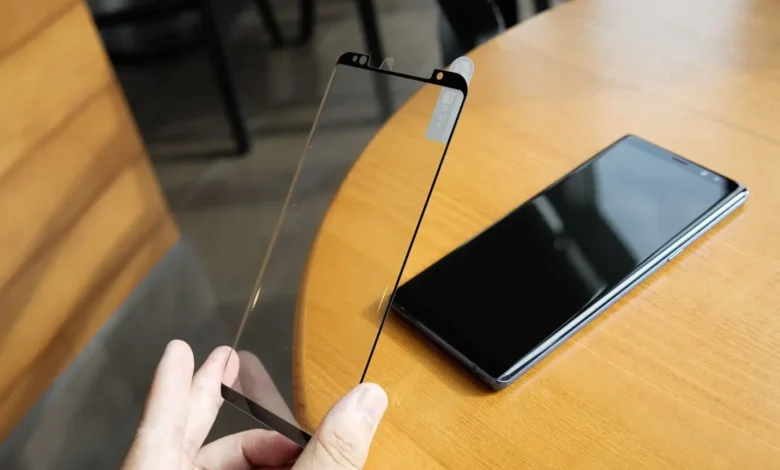
Tempered glass protectors are highly popular due to their robustness. They are created by processing glass through controlled thermal or chemical treatments to increase its strength compared to normal glass.
PET Film Protectors
PET (Polyethylene Terephthalate) film screen protectors are thin, made of plastic, and provide less impact protection. However, they are quite efficient against scratches and do not affect touch sensitivity.
TPU Screen Protectors
TPU (Thermoplastic Polyurethane) screen protectors are known for their flexibility and self-healing properties. Although they may not provide the same level of clarity as glass, they offer a good balance between toughness and elasticity.
Liquid Screen Protectors
Liquid screen protectors are an emerging technology that involves applying a liquid solution over the screen, which hardens to form a protective layer. While they are easy to apply and maintain, they do not provide as robust protection against impacts as tempered glass protectors do.
Factors to Consider When Choosing a Screen Protector
When selecting the best screen protector for your device, there are several factors to consider, such as material, thickness, and installation process. The choice of material is vital in ensuring the longevity and protection level of your device.
Material
The material of the screen protector determines its clarity, toughness, and ability to resist scratches. Tempered glass protectors offer the highest level of durability, whereas PET film protectors provide basic scratch resistance with limited rigidity.
Thickness
Thickness can also influence a protector’s performance. Thicker protectors may offer better impact resistance but could affect touch screen sensitivity. Conversely, thinner films maintain sensitivity but may not offer the same degree of protection.
Installation Process
The ease of installation is another vital consideration. Some protectors come with alignment frames and dust removers to aid in a bubble-free application, which is critical for ensuring the protector remains effective and aesthetically pleasing.
Maintenance Tips for Screen Protectors
Even the best screen protector requires care. Regularly cleaning your screen protector with a microfiber cloth can prevent dust accumulation and maintain its clarity. Additionally, checking for any signs of wear or damage will ensure continued protection for your device.
Cleaning
Use a soft, lint-free microfiber cloth to wipe away fingerprints and dirt from the screen protector. Avoid using harsh chemicals or rough materials that could damage the surface.
Inspection
Occasionally inspect the screen protector for chips or cracks. If the protector shows significant damage, it should be replaced promptly to ensure your device remains protected.
Conclusion: Making the Right Choice
The right screen protector not only provides peace of mind but also protects your investment by keeping your device in pristine condition. Understanding the different types available and considering your specific needs are crucial steps in making an informed decision.
Investing in a reliable screen protector is a small price to pay for the extended life and maintained value of your device. By choosing wisely, you can enjoy all the benefits of advanced technology without worrying about accidental damage.