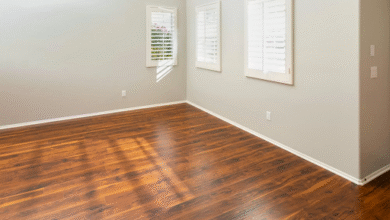

Do you have humidity problems in your basement, warehouse or oversized living space? You may not be alone. Many homeowners find their dehumidifier works great in a bedroom but struggles in an expansive area of the home. The good news is there are things you can do to help it run more efficiently.
Know Your Space
Take a few minutes to evaluate the room or area. Large areas have special requirements because moving air can hide in corners or collect in pockets that the dehumidifier won’t catch.
For that reason, make sure you know the square footage of the area you need to dehumidify. Space that measures 30 feet by 40 feet requires significantly more dry air than your typical 10-by-10 bedroom. While the manufacturer may list the area each model can cover on the box, that number assumes ideal conditions and measurements.
The reality is high ceilings or insulation problems can effectively cut that coverage area in half. If your moisture problem stems from constant dampness like a flooding problem, you may need to cut that number in half again.
Size Matters
Speaking of size, never assume your average dehumidifier can handle a large space. At best, the unit will run continually and waste energy. At worst, the compressor will burn out prematurely.
Instead, look for commercial or whole-house models when you need to cover more than 1,500 square feet. These specialty machines can extract anywhere from 70 to 95 pints of moisture per day. That’s much higher than the 30 to 50-pint capacity most residential models offer. Yes, these units cost more initially. However, you will get more effective dehumidification from one large unit instead of multiple small ones.
If you already have a small dehumidifier, don’t toss it out. You can run several strategically placed units to create pockets of dry air.
Placement Is Key
You should also plan to place your dehumidifier unit in the best possible location. As a result, think about how air will flow through the area.
Ideally, locate the unit in the center of the room or area. That central location allows air to flow evenly on all sides of the dehumidifier. Since air approaches the unit from every angle, it has a better chance of pulling moisture from any humid pockets.
Never place your unit right against a wall or piece of furniture. All dehumidifiers need room to breathe. When you crowd the machine against a wall, you block the intake vents and decrease performance by up to 30 percent.
As a result of poor placement, you may also create areas of dead air. Humid air in these spots never makes it to the dehumidifier. When trying to dehumidify a rectangular space, position the unit in the middle of the longest wall instead of the corner.
Increase Airflow
Remember a dehumidifier can only dry air that comes in contact with it. With that in mind, it becomes necessary to move air around your oversized space.
Ceiling fans work great for this task. Set them to run on low in the same direction as your air conditioning. The constant air movement creates a circular flow that drives humid air toward the dehumidifier.
Box fans can help too. Point them in the direction of your dehumidifier to create a directed air stream. That moving air will carry humidity to the dehumidifier. As a result of the increased circulation, you should notice a more consistent drop in humidity levels.
Seal and Insulate
What good does it do to pull moisture out of your home if it constantly gets replaced? You should take steps to seal any cracks or holes that allow damp air indoors.
Windows are often a culprit. Older windows or poorly installed weatherstripping allow a surprising amount of humid air inside. You can fix it yourself for a few bucks a window. Likewise, door sweeps do the same thing for your exterior doors.
As such, look for cracks in your foundation or along exterior walls. Small openings allow humid air inside your home. Fill them using caulk or expanding foam. Also, inspect your basement and pay close attention to pipe entrances that penetrate the wall.
Insulation matters too. Without proper insulation, warm humid air can meet cold surfaces and produce condensation. That simple act creates extra moisture for the dehumidifier to remove. Add insulation around cold water pipes to prevent the problem.
Eliminate Sources of Moisture
The National Heater Shop told us that it is a good idea to eliminate any obvious sources of moisture inside your home. The less humidity you introduce, the easier your dehumidifier’s job will be.
For example, do you dry your laundry indoors? Each load releases several gallons of water vapor into your home. Consider venting the dryer to the outside or hanging clothes in a closet or smaller room that has its own dehumidifier. Cooking can also increase moisture levels. Exhaust fans help when boiling water or making foods that produce steam.
Basements present special challenges because moisture can seep through foundation walls or floors. Don’t force your dehumidifier to work harder than necessary. Stop the leaks before expecting it to keep up. You’ll see a big difference.
Finally, indoor plants release moisture into the air through a process called transpiration. If you have houseplants in the room or area you want to dehumidify, consider moving them to another location.
Maintenance
Did you know a dirty dehumidifier works less efficiently? Preventive maintenance is essential to getting the most out of your machine.
First, clean or replace the air filter every two to four weeks during periods of heavy use. A dirty filter can reduce efficiency by more than 25 percent. Fortunately, most filters simply slide out of the unit. You can wash them using warm water.
Make sure you empty the water bucket frequently. Due to the full bucket, most machines have an automatic shut-off feature. If you aren’t home to empty it, humidity levels will quickly rise again. Connect a drain hose to your dehumidifier if it came with one. All you have to do is run the hose to a floor drain or utility sink.
Clean the coils monthly at a minimum. Dust and debris restrict airflow by building up on these cooling surfaces. Use a soft brush attachment or vacuum to remove dirt. Cleaning the coils ensures your dehumidifier runs more efficiently and reduces energy costs.
Slip and Slide”: Case Study From Alaska Gymnasium REAL fix
One example that comes to mind is the Quest we installed for the Klawock School District located in Alaska. One side of their gymnasium was constantly wet and extremely humid. This resulted in rusted pull-up bars and caused the floor to become extremely slippery (“slip and slide”). The gymnasium was massive and their residential system was unable to circulate enough air in a room with such high ceilings.
Just throwing “more power” at the problem was not the answer. It was a sizing issue. Not only did they need units that could move air better, but they needed two units. We swapped out their old system for two energy-efficient Quest dehumidifiers. Installed into rooms with better airflow and draining continuously, the moisture in the air was cut drastically. They now have dry floors and lower their monthly operating costs because their machines aren’t running 24 hours a day just trying to “catch up” to the humidity level.
Click here to check out the whole case study : https://www.questclimate.com/moisture-meets-its-match-quest-climate-keeps-klawock-schools-gym-dry/
Questions?
If I get two smaller units instead of one large one, will that work just as well?
Absolutely. In many situations, two medium dehumidifiers will work better than one larger unit. By placing a unit in each half of a long or L-shaped basement, you eliminate “dead air” pockets that collect in corners. Just keep in mind that you’ll have twice the filters to clean or twice a bucket to empty (if you don’t use the hose feature).
How close can I place my dehumidifier next to a wall?
Ideally, you want to give your unit at least 12 to 18″ of space. A dehumidifier sucks air in and forces it out. When you place it right next to a wall or closeted away behind a piece of furniture, you’re essentially “suffocating” the unit. This stresses the motor and can decrease efficiency.
Does running a ceiling fan help decrease humidity?
Yes! Ceiling fans don’t actually pull water from the air, but they work as a “transporter.” Think about it. In larger rooms, humid air tends to linger and not move around. A fan circulating the air greatly increases the chances of the dampest air flowing through your dehumidifier.
What level should I keep my humidity at?
Ideally, you want to keep your relative humidity between 45% – 50%. Keep in mind that if you allow your humidity to rise above 60%, you become susceptible to mold growth. If you keep it below 30%, you risk drying out wooden furniture and irritating your skin.
My unit is running but my bucket is not filling up. What’s going on?
Chances are good that your evaporator coils have frozen up or the air is too cold. Most “home” units do not operate efficiently when the temperature of the room they are placed in falls below 60°F. First, check your coils. If they look like a block of ice, simply turn the unit off and allow it time to defrost. You may want to consider purchasing a dehumidifier with an “auto-defrost” setting if you have a cold basement.
Final Words
Follow the tips above, and you’ll see improved results from your basement dehumidifier. Take small steps towards improving the humidity in your oversized area. Monitor those changes before taking it one step further.
By following this advice, you’ll spend less money fixing the problem and enjoy better results. You can live and work comfortably in your oversized area. You just need to give the dehumidifier a little help.