
Many people only think about visiting the dentist when something starts to hurt. However, most dental problems do not appear overnight. They often begin as small, manageable issues that gradually become more serious if they are ignored. What starts as occasional sensitivity or a tiny chip can eventually lead to discomfort, expensive treatment, and even tooth loss.
Understanding the warning signs and taking action early can help protect both your oral health and your wallet.
Small Cavities Can Become Major Repairs
Tooth decay is one of the most common dental problems, but it rarely causes pain in its earliest stages. A small cavity can usually be treated with a straightforward filling. Left untreated, however, decay can spread deeper into the tooth, affecting the pulp and nerves.
Once this happens, more complex treatment such as root canal therapy or extraction may be necessary. Regular dental check-ups help identify decay before it progresses into something much more serious.
Gum Disease Often Develops Quietly
Bleeding gums are easy to dismiss, especially if they only occur while brushing. Unfortunately, this can be one of the first signs of gum disease.
Without proper treatment, gingivitis can develop into periodontitis, where the gums begin pulling away from the teeth, and the supporting bone is gradually lost. Gum disease is one of the leading causes of tooth loss in adults, making early intervention particularly important.
Worn Teeth Can Affect Your Bite
Many people grind or clench their teeth without even realizing it, particularly while sleeping. Over time, this constant pressure wears away enamel and changes the shape of the teeth.
As the bite changes, additional problems can develop, including:
- Jaw pain
- Headaches
- Increased tooth sensitivity
- Cracked or fractured teeth
- Difficulty chewing comfortably
Treating grinding early can help preserve the natural teeth and prevent unnecessary damage.
Missing Teeth Create New Problems
Losing a single tooth may not seem urgent if it is hidden towards the back of the mouth. However, every tooth plays a role in supporting the others.
When a tooth is missing, neighboring teeth can begin to drift into the empty space. This alters the bite, makes cleaning more difficult, and increases the likelihood of decay and gum disease. Replacing missing teeth promptly helps maintain the overall stability of the mouth.
Small Chips Can Become Large Fractures
Minor chips often seem purely cosmetic, but they can weaken the structure of a tooth. Repeated pressure from chewing may cause the crack to grow until a significant portion of the tooth breaks away.
Addressing chipped teeth early is often much simpler than repairing a severely fractured tooth later on.
Tooth Sensitivity Shouldn’t Be Ignored
A brief twinge when eating ice cream or drinking coffee might not seem concerning. However, persistent sensitivity can indicate:
- Worn enamel
- Receding gums
- Tooth decay
- Hairline cracks
- Failing dental work
Identifying the underlying cause early allows treatment before the problem worsens.
Old Dental Work Doesn’t Last Forever
Fillings, crowns, and bridges are durable, but they are not permanent. Over many years, they can wear down, loosen, or develop tiny gaps where bacteria can enter.
Routine examinations allow dentists to monitor existing restorations before they fail unexpectedly, preventing more extensive damage beneath them.
Multiple Minor Problems Can Become One Major Case
Dental issues rarely occur in isolation. A patient with worn teeth may also develop cracks, sensitivity, bite problems, and gum recession. Similarly, untreated decay combined with missing teeth can place additional stress on the remaining healthy teeth.
When several problems develop together, treatment becomes more complex because every issue affects the others. For people dealing with widespread damage, missing teeth, or significant wear, searching for options such as full mouth restoration near me can be the first step towards restoring both function and confidence. Comprehensive treatment plans are designed to rebuild oral health as a whole rather than addressing one tooth at a time.
Prevention Is Always Easier Than Repair
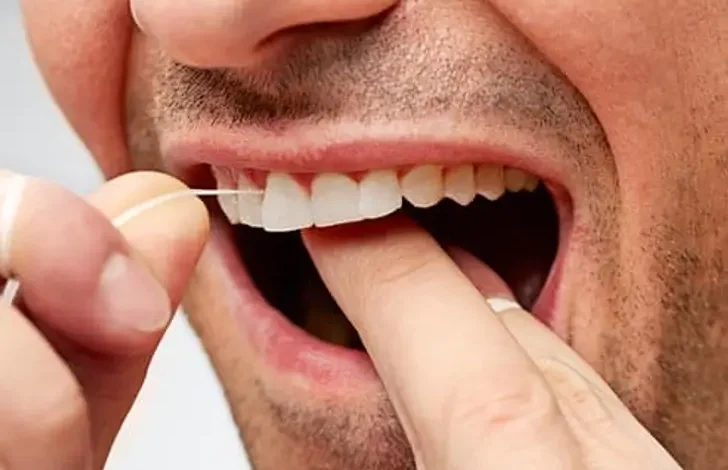
The good news is that many long-term dental problems are preventable. Consistent brushing, flossing, regular professional cleanings, and routine dental examinations allow small concerns to be treated before they become major procedures.
Looking after your teeth every day may not seem particularly exciting, but those small habits often make the biggest difference over the years. A proactive approach helps preserve your natural smile, reduces the need for extensive treatment and supports better overall health well into the future.