DIY Pressure Washing vs Power Washing by Burrini’s: Which Service Safely Restores Historic Brick Facades?

Picture a century-old brick storefront, its decorative details dulled by years of city grime. The owners hope to revive its historic charm, but the wrong cleaning method could permanently scar the facade. Restoring antique brickwork is not simply a matter of blasting away dirt—it demands techniques that protect the integrity of the delicate materials. Many property owners consider whether to rent a pressure washer for a do-it-yourself approach or trust a professional service specializing in the unique needs of historic masonry. Understanding the risks and technical requirements is essential before making this decision. The safest path to preserving and beautifying historic brick surfaces depends on the cleaning method, equipment, and expertise involved.
Historic Brick Facades Require Specialized Cleaning Techniques
Historic brick facades are not built like modern masonry. Older bricks, often handmade or fired at lower temperatures, have a softer, more porous structure. This makes them more vulnerable to water penetration and surface erosion, especially during cleaning. For commercial brick facade cleaning on heritage buildings, using an incorrect water pressure or harsh chemicals can strip away the protective outer layer of the brick, known as the fired face, and cause irreversible damage. Proper cleaning relies on low-pressure water application, gentle biodegradable detergents, and soft-bristle brushes. According to preservation cleaning guidelines for historic masonry, the goal is to remove contaminants without degrading original materials. Any technique must balance effective cleaning with preservation of the brick’s unique character and durability.
Hidden Dangers of DIY Pressure Washing Older Masonry
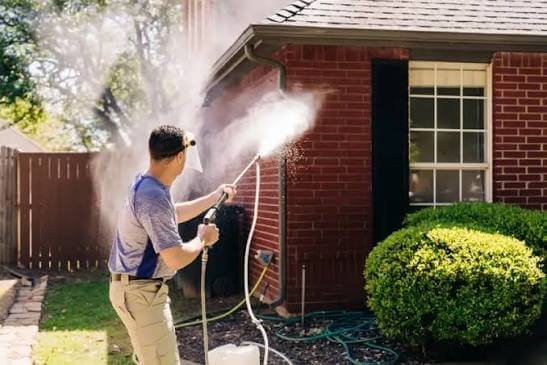
Renting a standard pressure washer might seem like an easy fix for dirty brick, but DIY attempts often overlook the sensitivity of historic materials. Most consumer-grade machines deliver water at pressures too high for older masonry, risking spalling—where the brick’s surface flakes away—and allowing moisture to penetrate deep into the wall. Misjudging the correct nozzle angle or distance can worsen these effects, leading to crumbling mortar joints and unsightly streaks. Even seemingly minor mistakes, such as using the wrong detergent, can leave residues that attract more dirt or react with the brick. Property owners attempting commercial brick facade cleaning themselves may not recognize early signs of damage until restoration becomes much more costly. Consulting proper cleaning methods for historic brick can help clarify why specialized care is necessary.
Power Washing Methods Utilized by Burrini Professionals
Trained professionals employ a tailored approach to historic brick restoration. When using services like Power Washing by Burrini’s, the process begins with a detailed assessment of the building’s age, brick type, and existing condition. Technicians use low-pressure water systems—far gentler than standard pressure washers—and apply cleaning solutions specifically formulated for older brick and mortar. The cleaning process may include pre-soaking the surface to loosen grime, controlling water flow to avoid saturation, and using soft brushes for any stubborn residues. These professional methods help avoid the thermal shock and physical stress that can occur when cold water or high-pressure jets hit fragile masonry. This careful approach aims to restore historic facades without compromising their structural or aesthetic value.
Choosing Safe Restoration Services for Vintage Buildings
Deciding between DIY and professional restoration involves more than just cost—it’s about safeguarding irreplaceable architecture. Seek out providers who demonstrate knowledge of historic preservation standards and can explain how their equipment and methods differ from standard pressure washing. Confirm that any service you consider uses low-pressure washing, appropriate cleaning agents, and customizes their process based on the building’s specific needs. For commercial brick facade cleaning on vintage structures, choose specialists who document the condition before and after cleaning, and who can identify early warning signs of brick or mortar deterioration. Always verify local regulations or guidelines for historic property maintenance, as some areas restrict certain cleaning methods to protect heritage sites. Careful vetting ensures that restoration efforts enhance, rather than compromise, the value and beauty of historic brickwork.
Conclusion
When restoring historic brick facades, prioritize services that assess and adapt to the unique vulnerabilities of older masonry. If you want to protect the character and longevity of your building, select a provider with proven expertise in gentle, preservation-focused cleaning—not just the lowest price or fastest turnaround.