

There’s nothing quite like stepping into the shower first thing in the morning, only to be greeted by freezing cold water. Whether you’re getting ready for work, tackling the laundry, or washing the dishes, no hot water can throw your entire day off track. It’s one of those household problems you don’t think much about until it happens.
Not every hot water issue means an expensive repair or replacement. Here is what to do when the hot water suddenly stops flowing.
Check Whether It’s Affecting the Whole House
Before assuming your water heater is the problem, find out whether the issue is affecting every faucet in your home. Try running the hot water in your kitchen, bathroom, and any other sinks. If only one faucet is affected, the problem could be with that particular fixture or its mixing valve. However, if you have no hot water anywhere, something’s more likely wrong with your water heater.
Take a Look at Your Water Heater
Your next step is to check the water heater itself. If you have an electric model, look at your home’s electrical panel to see whether a circuit breaker has tripped. If it has, you can try resetting it once, provided there’s no sign of electrical damage or water leakage. For gas water heaters, check whether the pilot light is out or the unit is displaying an error code. Don’t attempt to repair gas components yourself, especially if you suspect a gas leak. Sometimes, identifying the problem early can save you from unnecessary repairs.
Check the Thermostat Settings
It might sound obvious, but it’s worth checking your water heater’s temperature settings. Someone may have accidentally adjusted them, or the unit could have switched into vacation mode. Most households should aim for a water heater temperature of around 120°F, although individual circumstances may require different settings. If everything looks normal but the water stays cold, a faulty heating element or thermostat may need professional attention.
Look Out for Leaks or Unusual Noises
Your water heater can often give you clues that something isn’t right. Puddles around the base, strange rumbling sounds, or rusty water coming from your faucets may indicate a developing problem. Sediment buildup, corrosion, and worn components can all affect how efficiently your water heater operates. Ignoring these warning signs could eventually lead to a complete breakdown.
Know When to Call a Professional
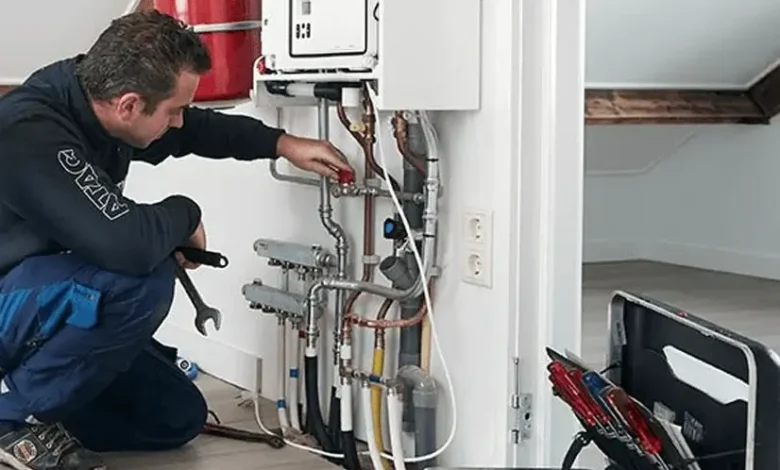
While basic checks can help you narrow down the problem, water heater repairs aren’t always suitable for DIY troubleshooting. If you’ve checked the obvious causes and still have no hot water, arranging professional hot water heater repair San Diego services can help you get to the bottom of the issue. An experienced plumber can inspect the system, identify faulty components, and recommend whether repair or replacement makes more sense.
Prevent the Problem From Happening Again
Once your hot water is restored, consider how to avoid another unexpected cold shower. Regular water heater maintenance, including professional inspections and sediment checks, can help identify potential problems before they become serious. It’s also worth keeping an eye on your unit’s age, as older systems are generally more prone to breakdowns.
Losing hot water is frustrating, but knowing what to check and when to seek help can make getting your household back to normal much easier.