

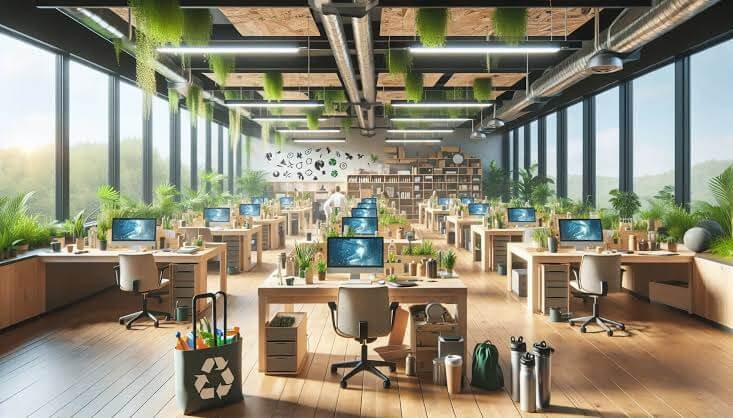
As businesses, remote professionals, and conscious consumers increasingly examine their ecological footprint, workplace sustainability has expanded far beyond simple digital document sharing and recycling bins. Today, the items we physically touch and consume every single day—from writing pads and daily planners to desk tools—are under thoughtful evaluation. Choosing thoughtfully designed sustainable stationery represents a practical, high-impact commitment toward reducing plastic waste, preserving natural resources, and supporting circular manufacturing principles.
The Ecological Cost of Conventional Office Supplies
Traditional desk accessories carry a surprisingly heavy environmental burden across their complete product lifecycle. Millions of petroleum-based plastic pens and chemically treated pencils are manufactured, packaged, shipped, and discarded into landfills every single year. Standard ballpoint pens contain non-biodegradable plastics and toxic solvent-based chemical inks that persist in natural ecosystems and marine environments for centuries. Even conventional mass-produced pencils often rely on clear-cut timber from intensive mono-crop plantations that degrade regional biodiversity and disrupt fragile soil health.
When organizations and individuals transition toward renewable, responsibly sourced materials, they actively vote for regenerative supply chains. Eco-friendly desktop alternatives utilize sustainably harvested wood trimmings, reclaimed branch offcuts, recycled paper fibers, and non-toxic plant-based binders. By prioritizing goods made from pruned tree branches and post-consumer materials, consumers eliminate virgin plastic consumption while preventing valuable agricultural and forestry byproduct from ending up in landfills or industrial incinerators.
Key Benefits of Building an Eco-Conscious Desk
Integrating environmentally responsible writing implements and office goods into everyday professional life delivers several distinct advantages for forward-thinking organizations, creative studios, and modern remote workers:
- Tangible Environmental Impact: Choosing biodegradable, compostable, and plastic-free writing tools keeps synthetic polymers out of municipal waste streams and lowers the carbon footprint associated with global petroleum extraction and heavy industrial refining.
- Enhanced Brand Identity and Green Credentials: For modern companies committed to Environmental, Social, and Governance (ESG) principles, the small details matter. Welcoming new team members or client partners with authentic botanical pencils and recycled notebooks reinforces corporate sustainability values far better than standard disposable branded plastic merchandise.
- Promoting Mindful Productivity and Well-Being: Natural textures and organic materials bring welcoming elements of biophilic design into the office environment. Working with genuine wood and botanical elements has been shown to reduce visual fatigue, lower stress levels, and encourage mindful focus during long strategic working sessions.
- Supporting Artisan and Circular Economies: Many eco-friendly desk tools are crafted by independent artisans who source their materials locally from seasonal orchard pruning or responsible forest maintenance, keeping economic value within regional communities and supporting sustainable rural trades.
How Organizations Can Transition to Zero-Waste Workspaces
Implementing greener office habits does not require a sudden, disruptive overhaul of your entire operation. A phased and sensible approach ensures that existing resources are fully utilized while establishing healthier, more responsible purchasing policies moving forward.
First, conduct a simple supply audit to identify the single-use plastic items that generate the most recurring waste in your daily workflow, such as disposable pens, plastic tape rolls, synthetic highlighters, and plastic file folders. Next, establish green procurement guidelines that mandate biodegradable, compostable, or easily recyclable alternatives whenever replenishment orders are placed. Finally, encourage employees and collaborators to maintain a minimalist desktop setup where quality, durable tools replace excessive clutter, instilling a shared sense of environmental stewardship throughout the workplace culture.
Creating Long-Term Environmental Change
Small, consistent changes in our daily habits often yield profound collective benefits across entire industries. By rethinking standard office equipment and opting for renewable, earth-friendly materials, modern professionals can cultivate workspaces that truly reflect their environmental values. Embracing renewable writing tools and thoughtful desktop essentials is a simple yet powerful step toward a cleaner, more sustainable future for global industry and creative spaces alike.