
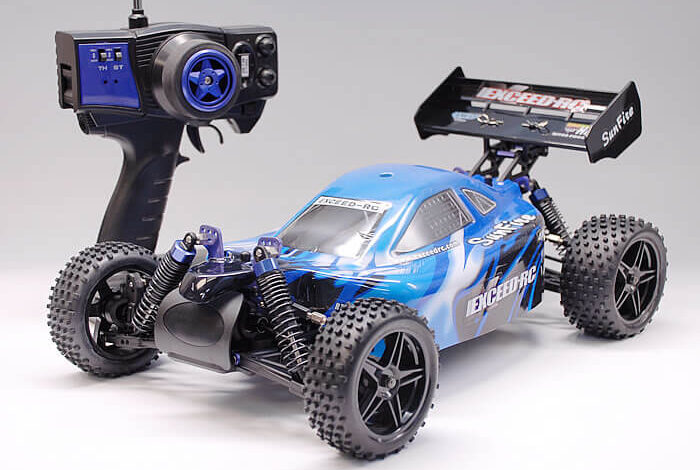
The thrill of watching your teen’s face light up as they unwrap a brand-new RC car is unforgettable—until that excitement fades just weeks later when the vehicle sits broken in the garage. Every year, thousands of parents invest in 1/10 scale RC cars for their teenagers, only to face buyer’s remorse when poor choices lead to shattered parts, safety concerns, and a hobby abandoned before it truly begins. The problem isn’t the hobby itself; it’s the costly mistakes made during the selection process. Without understanding what separates a quality RC vehicle from a flashy disappointment, parents often prioritize the wrong features, mismatch the car to their teen’s abilities, or overlook critical support systems. This guide reveals the top pitfalls that turn promising gifts into expensive lessons, and more importantly, shows you exactly how to choose a 1/10 scale RC car that delivers durability, matches your teen’s skill level, and provides lasting enjoyment that justifies every dollar spent.
Mistake 1: Prioritizing Looks Over Durability and Safety
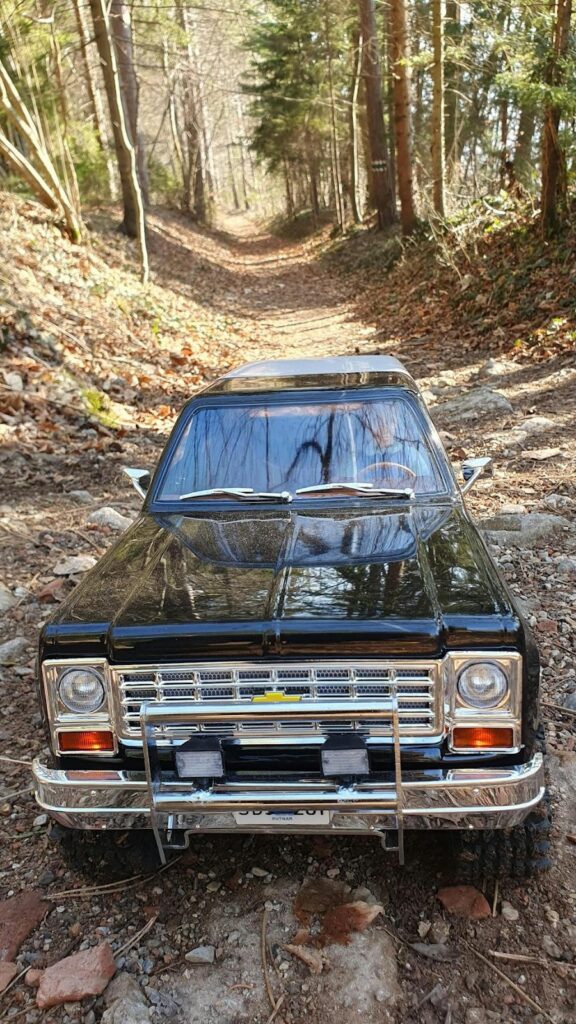
It’s easy to understand why a sleek Ford F100 body shell or a rugged K5 Blazer design catches your teen’s eye in the store. The visual appeal is undeniable, and many parents make purchasing decisions based primarily on aesthetics, assuming that all 1/10 scale RC cars are built similarly underneath those attractive exteriors. This is perhaps the most expensive mistake you can make. The reality is that what lies beneath the body shell determines whether your investment lasts months or merely days. A stunning exterior means nothing when the chassis cracks on the first jump or the plastic gears strip after a minor collision. Teens don’t drive RC cars gently—they test limits, attempt jumps, and inevitably crash. Without a foundation built from durable materials like reinforced nylon composites, metal gears, and impact-resistant suspension components, even the coolest-looking vehicle becomes garage decoration after the first serious bash. Safety considerations extend beyond just breakage. Models with a low center of gravity and proper weight distribution prevent dangerous rollovers at speed, while quality electronics reduce the risk of overheating or electrical failures. Reputable manufacturers like FMS Model engineer their vehicles with these principles in mind, using proven materials and designs that withstand the punishment teens dish out. Their models feature aluminum shock towers, steel driveshafts, and chassis designs that flex rather than fracture. When you prioritize build quality and safety features over appearance alone, you’re investing in a vehicle that protects both your teen and your wallet, ensuring the hobby survives past the initial excitement phase.
Mistake 2: Ignoring Skill Level and Vehicle Complexity
The second critical error parents make is purchasing an RC car that dramatically mismatches their teen’s experience level. A common scenario unfolds like this: a well-meaning parent buys a high-performance brushless buggy capable of 50+ mph because “my kid is really coordinated,” only to watch it crash spectacularly within minutes as the overwhelmed teen struggles with controls that respond faster than their reflexes can manage. The gap between beginner-friendly and advanced RC vehicles is substantial, and bridging it too quickly turns excitement into frustration. Ready-to-run models are essential for newcomers—these come fully assembled with everything needed to drive immediately, allowing teens to focus on developing control skills rather than wrestling with complex assembly instructions. Contrast this with build-it-yourself kits that require mechanical knowledge and patience that most beginners simply don’t possess yet. Power systems matter enormously in this equation. Brushed motors offer moderate, predictable speed that gives new drivers time to react and learn proper throttle control, while brushless systems deliver explosive acceleration that can send an RC car tumbling before a beginner realizes what happened. Similarly, 2WD vehicles provide more manageable handling characteristics for learning basic driving techniques, whereas 4WD systems add complexity with their superior traction and different steering dynamics. A scale crawler modeled after a Land Cruiser, with its deliberate pace and focus on precision rather than speed, makes an ideal starting point compared to a race-tuned stadium truck. Matching vehicle complexity to actual skill level isn’t limiting your teen—it’s setting them up for success and preventing the discouragement that comes when the learning curve feels impossibly steep.
Mistake 3: Overlooking Parts Availability and Upgrade Paths
Few things are more frustrating than watching a perfectly salvageable RC car become a permanent shelf ornament simply because a $5 plastic part broke and no replacement exists. This scenario plays out constantly with off-brand or discontinued models, yet parents rarely consider parts availability until it’s too late. When your teen’s vehicle inevitably needs repairs—and it will, because crashes are part of the learning process—you’ll discover whether you made a wise investment or bought an expensive paperweight. Established manufacturers like FMS Model maintain comprehensive parts ecosystems specifically to address this issue, stocking everything from individual suspension arms to complete drivetrain components. Their commitment to long-term support means that years after purchase, you can still find the exact shock tower or steering linkage needed to get back on the track. Beyond mere repairs, upgradeability transforms an RC car from a static toy into an evolving hobby platform. A modular design allows your teen to gradually improve performance as their skills develop—swapping in better shocks, upgrading to metal gears, or installing more powerful electronics. This progression keeps interest alive far longer than a vehicle with no growth potential. Each upgrade teaches valuable mechanical principles and problem-solving skills while extending the car’s useful life. When evaluating potential purchases, verify that the manufacturer actively supports the model with readily available parts through multiple retailers. Check online forums to confirm that other owners can easily source components. This simple research step protects your investment and ensures that minor damage doesn’t end the hobby prematurely.
Your Solution: A Step-by-Step Guide to the Right 1/10 Scale RC Car
Step 1: Assess Your Teen’s Experience and Interest
Step 1: Assess Your Teen’s Experience and Interest
Before browsing any product listings, sit down with your teen and have an honest conversation about what they actually want from this hobby. Ask specific questions that reveal their true interests: Do they imagine tearing across open fields at maximum speed, or carefully navigating rocky terrain like a miniature off-road expedition? Are they drawn to the technical challenge of precision driving, or do they simply want something fun to bash around the backyard with friends? Determine whether this is their first RC vehicle or if they’re upgrading from a smaller scale or toy-grade model. A teen with zero experience needs a forgiving platform that builds confidence, while someone graduating from a 1/18 scale car can handle more performance. Understanding these preferences prevents the common mistake of projecting your own assumptions onto their interests—what looks exciting to you might bore them, and vice versa.
Step 2: Set a Realistic Budget (Including Hidden Costs)
The sticker price on the box tells only part of the financial story. Calculate your true investment by accounting for essential accessories that many models don’t include. Most quality RC cars require separate battery packs and chargers, which can add another third to the initial cost. Establish a spare parts fund from day one—budget at least 15-20% of the vehicle’s cost for inevitable replacements like body clips, shock shafts, and suspension arms. This proactive approach prevents the frustration of having a broken car sitting idle because a $8 part feels like an unexpected expense. When comparing options, a slightly more expensive vehicle from a manufacturer with robust parts support often costs less long-term than a bargain model that nickel-and-dimes you with hard-to-find components.
Step 3: Match the Vehicle Type to the Activity
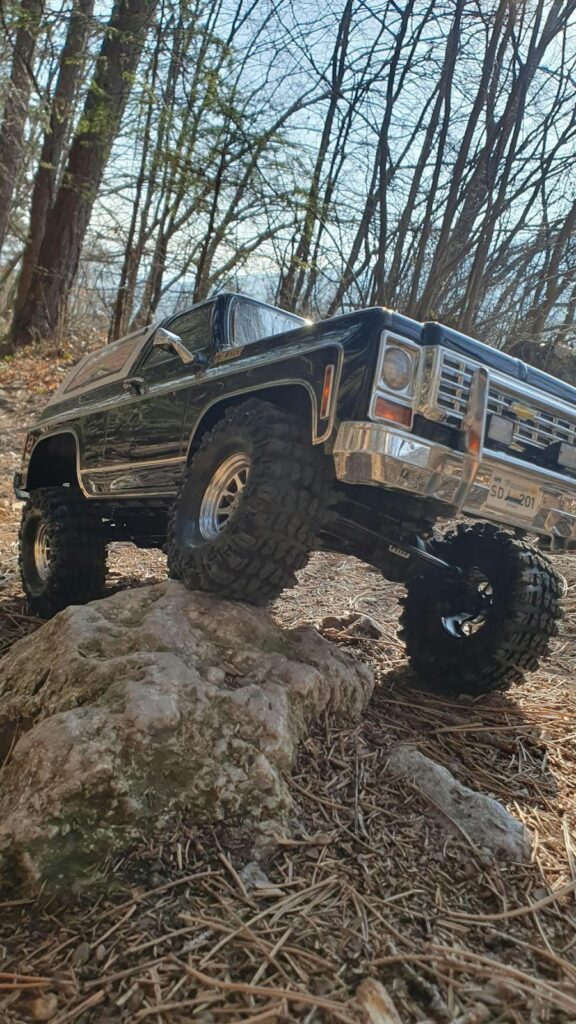
Now align your teen’s interests with the appropriate vehicle category. For those captivated by technical challenges and outdoor exploration, a crawler excels at navigating trails, rocks, and obstacles at controlled speeds that emphasize precision over power. Teens interested in high-energy action and jumps thrive with stadium trucks designed for backyard bashing—these balance durability with excitement. If your teen appreciates aesthetics and casual driving, scale models like a detailed Ford F100 or K5 Blazer offer realistic looks with manageable performance. Each category serves different interests, and choosing the right match ensures the vehicle actually gets used rather than abandoned when it doesn’t meet unspoken expectations.
Step 4: Research and Verify Parts Support
Once you’ve identified a specific model, verify its parts ecosystem before purchasing. Visit major online RC retailers and search for the exact model name plus “parts” or “upgrades”—a healthy selection indicates strong manufacturer support. Browse dedicated RC forums and search for the model to see if other owners report difficulty sourcing components or praise easy availability. Check the manufacturer’s own website for a parts diagram and inventory status. This fifteen-minute research investment reveals whether you’re buying into a well-supported platform or setting yourself up for future headaches when basic repairs become impossible.
Step 5: Read Reviews from Other Parents
Finally, seek out real-world feedback from people in your exact situation. Look specifically for reviews from parents rather than hardcore hobbyists, as their priorities align more closely with yours—they emphasize durability under teen use, ease of maintenance, and value rather than racing performance metrics. Pay attention to comments about customer service experiences, as responsive manufacturer support makes a significant difference when problems arise. Reviews mentioning that a vehicle “survived my son’s rough treatment” or “still running strong after six months” provide more useful information than technical specifications ever could.
Making the Right Choice for Lasting Enjoyment
The difference between a 1/10 scale RC car that becomes a cherished hobby and one that gathers dust comes down to avoiding three critical mistakes: choosing flashy aesthetics over structural integrity and safety, mismatching vehicle complexity with your teen’s actual skill level, and overlooking the essential support network of available parts and upgrade options. These pitfalls transform what should be an exciting investment into an expensive lesson in buyer’s remorse. The right RC car isn’t simply the fastest, the prettiest, or the cheapest—it’s the one that balances robust construction capable of surviving inevitable crashes, appropriate performance that builds confidence rather than overwhelms, and manufacturer support that keeps the vehicle running long after purchase. By following the step-by-step approach outlined here—honestly assessing your teen’s interests and experience, budgeting for the complete ownership picture, matching vehicle type to intended use, verifying parts availability, and learning from other parents’ experiences—you transform the selection process from a gamble into an informed decision. This methodical approach ensures your investment delivers exactly what both you and your teen hope for: a durable, safe, and genuinely enjoyable hobby that grows with their skills, teaches valuable mechanical principles, and creates lasting memories that justify every dollar spent.