

Before a time of technology that brought us modern credit and debit cards, contactless, Apple and Google Pay, and cryptocurrencies, cash was the sole payment method people had access to. The mid-20th century changed that forever, when the first alternative method in the form of bank checks and credit accounts came about. Although cash remained strong initially, what started as the only and strongest payment method has throughout the years become more and more obsolete for many. However, this doesn’t mean that it is a dying breed. Cash still serves a great purpose, and if you, like so many, are curious to know why it will survive, this blog covers it all.
- It’s a Widely Accepted Form of Currency Still
Although there may be stores, like independent local ones, that refuse to sell goods for cash, you’ll be surprised at the number that still readily accept and encourage it in their place of business. The large retail businesses, like grocery stores, take the most cash, more than any other type of business, but you will find that it is accepted in most:
- Gas stations
- Convenience stores
- Department stores
- Hardware stores
- Clothing stores
- Fast-food chains
- Restaurants
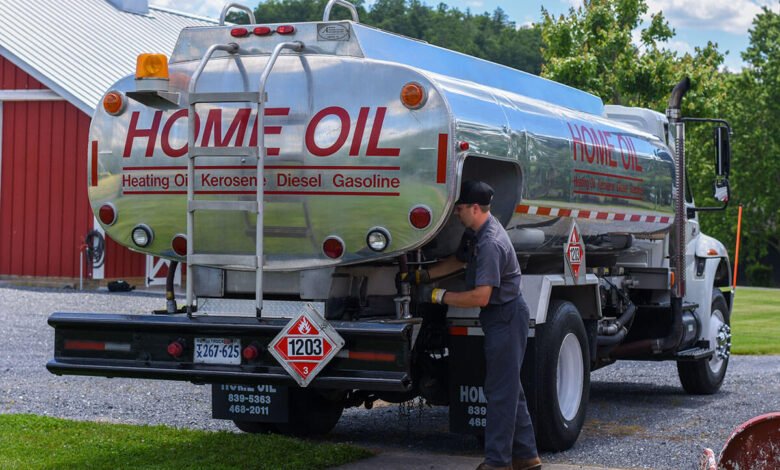
You even find it in unexpected places. When buying anything online, you automatically assume that you can only use a credit or debit card, but this isn’t the case. For example, you can choose to do a cash heating oil delivery, in which you pay in cash upon the delivery of your heating oil. Some businesses encourage contactless cash payments. Some even have a cash-only policy! Independent businesses may do this because they don’t want to pay the premium for the card readers. Most do it simply because they want to be able to help as many of their customers as possible by offering multiple options for payment. There isn’t a law that dictates what type of currency a business can accept, but those that offer more options can acquire more customers, and that is what is keeping cash alive.
- Budgeting Method
There’s no hard and fast rule about how a person should budget. What works for one person may not work for another, and that’s the beauty of budgeting. Cash stuffing is one such budgeting method that works for many and keeps this currency relevant.
With the ability to tap your phone in a matter of seconds and no need to type in a PIN, people are finding they are spending more money than ever before, often going over budget. With cash, you can’t do this. If you set aside $100 for eating out, there is no room for overbudgeting. You must keep under this amount unless you take from another envelope, which lowers your overall budget for another category, such as birthdays or groceries.
It also brings about more accountability. Handing a physical $10 note to a cashier feels very different from tapping your phone. You see the money disappear before your very eyes. Therefore, with every spend, you think more carefully about whether you need said item.
- It’s a Fail-Safe
Technology is great, but it’s not foolproof. There are times when it fails, such as internet outages, power cuts, and damaged equipment, and businesses are unable to make any transactions with any form of currency that relies on technology. You might find that your card network is having problems, you’ve lost your debit card and left your phone at home, or worse, it’s been stolen, or your card is declined due to suspected fraud or lack of funds. In these moments, cash is the only payment method you have. When these moments strike, without cash, businesses miss out on trade and consumers lose their purchasing power. There would be wasted stock, an impact on cash flow, and people would be without necessities. Therefore, cash remains the fail-safe that both businesses and people need.