
Urbanisation brings forth challenges in managing water resources effectively. One innovative solution gaining traction is permeable concrete. Unlike traditional concrete, permeable concrete is designed to allow water to pass through its surface, reducing runoff and promoting groundwater recharge.
What is Permeable Concrete?
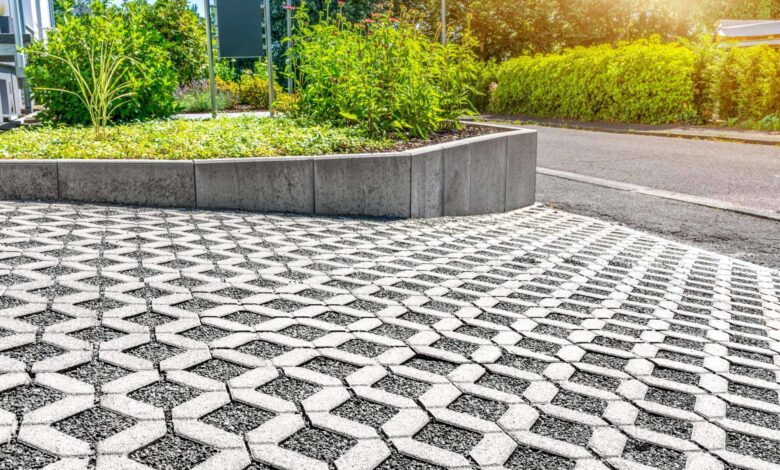
Permeable concrete, also known as porous or pervious concrete, is a specially designed concrete with a high porosity that allows water to flow through it. This material is primarily used for sustainable applications such as pavements, parking areas, and other infrastructures where water management is critical.
Environmental Benefits
The most significant advantage of permeable concrete is its ability to mitigate urban flooding. By allowing rainwater to seep through its surface, it drastically reduces surface runoff, which is a major cause of flooding in urban areas. Additionally, it helps replenish groundwater levels, ensuring a sustainable water cycle.
Enhancing Urban Aesthetic
Permeable concrete also contributes to enhancing the aesthetic of urban spaces. It can be coloured and textured in a variety of ways to suit the design needs of a particular environment, offering both functionality and beauty.
Heat Reduction
Urban areas often suffer from the ‘heat island effect,’ where concrete and asphalt surfaces absorb and retain heat. Permeable concrete can help combat this by allowing cooler air to pass through, thus moderating surface temperatures.
Longevity and Maintenance
Permeable concrete surfaces are durable and require less maintenance than conventional options. The reduced water accumulation on its surface minimises the risk of cracking and surface damage due to freezing and thawing cycles.
Implementation Considerations
While the benefits are extensive, the implementation of permeable concrete must be carefully considered. Factors such as the soil type, local precipitation rates, and potential for clogging need to be evaluated to ensure its effectiveness.
Applications in Urban Design
Permeable concrete is ideal for urban pavements, sidewalks, driveways, and car parks. Its usage is increasingly seen in urban planning initiatives focused on sustainability and environmental preservation.
Cost-Effective Solution
While initial costs might be higher, the long-term savings due to reduced stormwater management needs and lower maintenance expenses make permeable concrete a cost-effective solution.
Support for Green Infrastructure
Permeable concrete is a key component in green infrastructure initiatives, which aim to integrate nature into urban settings. By reducing runoff and flooding, it complements other sustainable practices such as green roofs and rain gardens.
Improving Water Quality
The filtration process facilitated by permeable concrete can also improve water quality. As water passes through the porous surface, pollutants and debris are naturally filtered out, reducing the amount of contaminants reaching water bodies.
Climate Resilience
As climate change continues to impact weather patterns, permeable concrete’s ability to handle varying precipitation levels makes it a resilient choice for urban infrastructure.
Innovations in Permeable Concrete
Research and innovations are continuously enhancing the capabilities of permeable concrete. New additives and materials are being explored to further improve its porosity and strength.
Community and Economic Benefits
Implementing permeable concrete can lead to community benefits, including improved air quality and enhanced property values, contributing to economic growth and sustainability.
The Future of Urban Development
As urbanisation continues, the role of sustainable materials like permeable concrete becomes crucial. Its ability to address water management, urban heat, and sustainability challenges positions it as a cornerstone in the future of urban development.
Permeable concrete presents an opportunity for cities to innovate while maintaining environmental health. It is a strategic investment in the infrastructure that supports the sustainability goals of urban landscapes.