

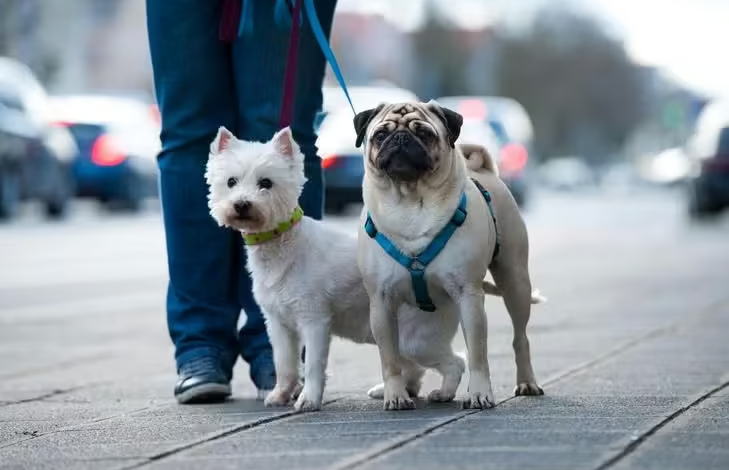
A dog walker is someone who takes dogs outdoors for exercise, fresh air, bathroom breaks, and exploration. Dog walking can be a personal service offered by an independent professional or part of a larger pet care business. For busy pet owners, this service provides a practical way to ensure their dogs receive attention and activity even when work, family responsibilities, or other commitments make regular walks difficult. A good dog walker does more than hold a leash and follow a route. They pay attention to the dog’s comfort, energy level, behavior, and surroundings, helping create a safe and enjoyable experience.
Dogs need opportunities to move, sniff, explore, and interact with the world around them. When those needs are consistently neglected, some dogs may become restless, bored, or destructive. A dependable dog walker can help establish a routine that supports a dog’s overall well-being. Whether you have a playful puppy, an energetic adult dog, or an older companion who needs gentle movement, the right walking service can be adapted to your pet’s individual needs.
Daily Responsibilities of a Dog Walker
A professional dog walker typically arrives at an agreed time, prepares the dog for an outing, and follows the owner’s instructions. Responsibilities may include checking the leash and harness, carrying waste bags, providing water when needed, and choosing a suitable route. The walker should also monitor weather conditions, avoid unsafe environments, and respond calmly if the dog encounters unfamiliar animals or distractions.
Communication is another essential responsibility. After a walk, many professionals provide updates about the route, duration, bathroom breaks, and the dog’s general behavior. These small details help owners understand how their pets are doing throughout the day. A reliable dog walker treats each outing as a responsibility rather than simply a way to fill time.
Why Hiring a Dog Walker Is Important
Modern life can make it difficult to give a dog the exercise and attention it needs every day. Long working hours, commuting, family responsibilities, and unexpected appointments can interrupt even the best pet care routine. Hiring a professional dog walker helps fill those gaps by giving your dog a planned opportunity to move, explore, and take bathroom breaks. Instead of spending the entire day waiting for someone to return home, your pet can enjoy a more balanced daily schedule.
Regular walks also help owners notice changes in their dogs’ routines. A dog walker who knows your pet may recognize unusual tiredness, changes in walking speed, reduced interest in exploring, or signs of discomfort. These observations can help you decide when to seek veterinary advice. A dog walker does not replace a veterinarian or the bond you share with your pet, but the right person can become a valuable part of your dog’s care team.
Physical Health and Exercise
Physical activity supports healthy weight management, muscle strength, mobility, and general fitness. However, dogs do not all need the same amount of exercise. A young, energetic dog may enjoy longer walks and more opportunities to explore, while a senior dog or one with health concerns may need shorter, gentler outings. Exercise should be adjusted to the dog’s age, breed, fitness, and medical needs rather than following a rigid schedule. Veterinary guidance is particularly helpful when introducing strenuous activity or exercising a dog with mobility problems.
A knowledgeable dog walker understands that a successful walk is not always about distance or speed. Sometimes, a comfortable stroll around the neighborhood is more appropriate than a demanding route through a crowded park. During hot weather, the walker should avoid overheated pavement, choose cooler times of day, and provide water when necessary. Paying attention to signs of fatigue and discomfort helps make exercise safer and more enjoyable.
Mental Stimulation and Emotional Well-Being
Walking gives dogs more than physical exercise. New smells, sounds, textures, and surroundings provide opportunities for exploration that can make everyday life more interesting. Allowing a dog to sniff safely during a walk encourages natural behavior and provides mental stimulation. A dog walker can vary suitable routes and allow time for exploration instead of rushing through every outing.
Regular activity may also help some dogs manage boredom and excess energy. However, exercise alone will not solve every behavioral issue, particularly fear, separation-related distress, or aggression. Dogs experiencing these difficulties may need support from a qualified trainer, veterinarian, or accredited behavior professional. A thoughtful dog walker recognizes these limits and works with the owner to keep the dog’s experience positive.
Benefits of Professional Dog Walking Services
One major benefit of professional dog walking is convenience. Owners can arrange visits around their work schedules, appointments, or other commitments without completely disrupting their pets’ routines. Depending on the service, a dog walker may provide individual walks, carefully managed group walks, puppy visits, or shorter bathroom breaks. This flexibility makes the service useful for households with different needs and budgets.
Another benefit is consistency. Dogs often respond well to predictable routines, and scheduled walks can help establish regular opportunities for exercise and bathroom breaks. An experienced walker can also learn a dog’s preferred pace, favorite walking areas, and responses to common distractions. Over time, this familiarity can make outings more comfortable for both the dog and the person handling the leash.
Professional dog walking can also give owners greater peace of mind. Many walkers send brief updates or photos after appointments, helping owners stay informed while they are away. However, not every service offers the same level of communication, so expectations should be discussed beforehand. The best arrangement is one in which the owner, dog, and walker all feel comfortable with the schedule, safety practices, and responsibilities.
How to Choose the Right Dog Walker
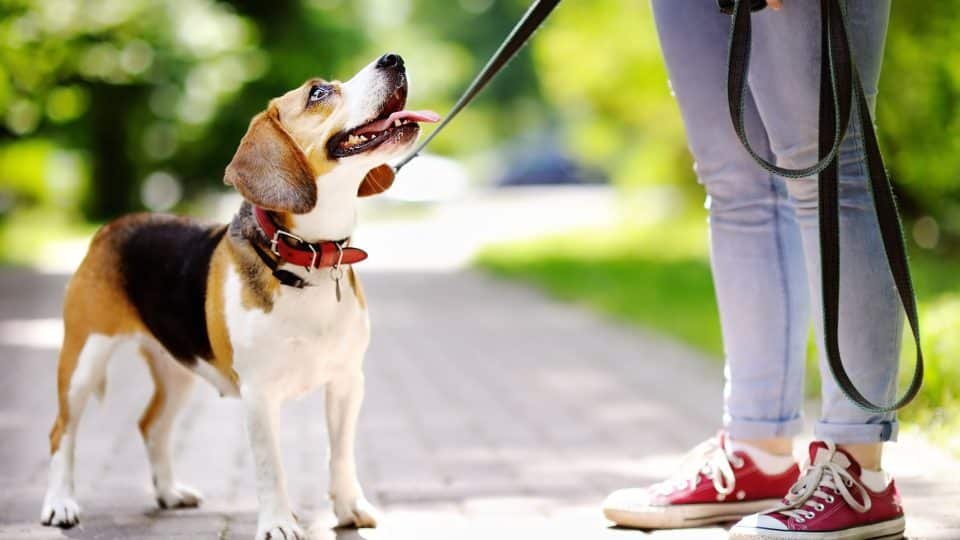
Choosing someone to care for your dog deserves careful consideration. You are trusting that person with an important member of your household, so convenience should never be the only deciding factor. Start by researching local providers, reading genuine customer feedback, and asking other pet owners for recommendations. Arrange an introductory meeting before committing to a regular schedule.
During the meeting, observe how the walker approaches your dog. Do they allow the dog to become comfortable, or do they rush into handling it? Are they patient with nervous behavior and attentive to your instructions? A professional should be willing to discuss your dog’s temperament, medical requirements, walking habits, and any situations that cause stress.
Experience, Training, and Reliability
Experience is valuable, but it should be supported by responsible practices and a willingness to learn. Ask whether the walker has handled dogs of similar sizes, ages, and temperaments. If your dog is reactive, fearful, elderly, or recovering from an injury, make sure the walker understands the additional precautions required. Relevant training in canine behavior and pet first aid can be an advantage.
Reliability matters just as much. A dog walker should arrive at agreed times, follow access instructions, and communicate promptly about delays or schedule changes. Ask whether they have appropriate insurance where available or required, a written service agreement, and a backup plan for emergencies. These details might seem minor during an introductory conversation, but they can make a significant difference when unexpected situations arise.
Safety Practices and Communication
A responsible dog walker checks that the collar or harness fits correctly and uses secure equipment suited to the individual dog. Dogs should remain on a leash wherever required and whenever off-leash control cannot be guaranteed. The walker should also avoid unsafe interactions, monitor weather conditions, carry waste bags, and understand what to do if a dog becomes ill or injured. Professional guidance emphasizes keeping dogs under control, respecting their welfare, and obtaining the owner’s permission before allowing off-leash activity.
Communication should be clear from the beginning. Provide emergency contact information, your veterinarian’s details, feeding or treat restrictions, medication instructions where relevant, and information about triggers or fears. Discuss what the walker should do if your dog refuses to walk, becomes distressed, or encounters an unfamiliar animal. A dependable professional welcomes this information because it helps them provide more suitable care.
What Does a Dog Walker Cost?
The cost of hiring a dog walker depends on several factors, including location, walk duration, the dog’s individual needs, and whether the service is private or shared with other dogs. A short neighborhood walk will generally cost less than a longer outing that requires additional travel or specialized handling. Some providers offer discounted packages for customers who book multiple walks each week, while others charge different rates for weekends, holidays, or last-minute appointments.
| Service type | Typical pricing structure | Best suited for |
|---|---|---|
| Short walk | Lower fee per visit | Bathroom breaks and brief outings |
| Standard walk | Moderate fee per visit | Everyday exercise and exploration |
| Extended walk | Higher fee per visit | Dogs that enjoy longer activity |
| Group walk | Often lower per dog | Dogs comfortable around other dogs |
| Regular weekly package | May offer a discounted rate | Owners needing consistent support |
These are general pricing categories, not fixed rates. Actual prices vary considerably by region and provider, so request a clear quote before booking.
When comparing services, consider more than the advertised price. Ask how long the dog will actually spend walking, whether pickup and drop-off time is included, how many dogs will be handled together, and whether updates are provided. A cheaper service may not offer the same level of individual attention, while a more expensive option is not automatically better. Choose a service that fits your budget while meeting your dog’s safety and exercise needs.
Tips for Preparing Your Dog for Walks
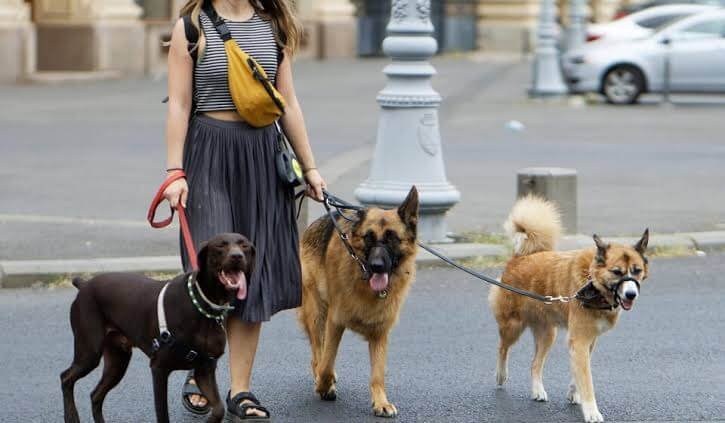
Preparing your dog properly can make the first few outings smoother and more enjoyable. Begin by introducing the walker to your pet in a familiar environment. Allow your dog to approach at its own pace, and share information about favorite treats, commands, fears, and habits. A gradual introduction can help build trust, particularly for puppies, rescue dogs, and pets that feel anxious around unfamiliar people.
Before the first appointment, ensure that your dog’s leash, collar, or harness is in good condition and fits properly. Confirm that identification details are current and explain any local requirements for walking in public spaces. You should also tell the walker about medical concerns, food sensitivities, and whether your dog is comfortable meeting other animals.
Keep your dog’s routine as consistent as possible during the adjustment period. Some pets immediately enjoy spending time with a new walker, while others need several short introductions before feeling comfortable. After each outing, observe your dog’s behavior and ask the walker how the experience went. If your dog appears unusually exhausted, distressed, or uncomfortable, review the walking plan and seek veterinary advice when appropriate.
Is Dog Walking a Good Career?
Dog walking can be a rewarding career for people who enjoy animals, physical activity, and flexible working arrangements. Independent walkers may choose their own schedules, build relationships with regular clients, and gradually develop a pet care business. People with suitable experience may also expand into related services such as pet sitting, puppy visits, or specialized walking arrangements.
However, the work involves more than spending time with friendly dogs. Professional walkers must manage different temperaments, handle unexpected situations, travel between appointments, and work outdoors in changing weather. They also need strong communication skills, careful time management, and the ability to recognize when a dog needs rest or professional help.
Anyone considering this career should research local business requirements, insurance options, relevant training, and demand for pet care services in their area. Building a reputation takes time, and responsible handling should always take priority over accepting more clients than can be managed safely. For people who are patient, dependable, and committed to animal welfare, dog walking can become a meaningful occupation.
Conclusion
A dog walker can play an important role in helping dogs maintain a healthy, active, and engaging daily routine. From providing regular exercise to offering opportunities for exploration and bathroom breaks, professional dog walking can support busy owners while helping pets enjoy more fulfilling days. The most suitable service depends on the dog’s age, temperament, health, and individual activity needs.
Choosing the right person requires more than comparing prices. Look for experience, reliability, safe handling practices, clear communication, and a genuine understanding of canine welfare. Introduce your dog gradually, share essential care information, and review the arrangement as your pet’s needs change. With the right approach, a professional dog walker can become a trusted partner in your dog’s care and contribute to a happier routine for the entire household.
Frequently Asked Questions
1. How often should I hire a dog walker?
The ideal frequency depends on your dog’s exercise requirements and your daily schedule. Many dogs benefit from one or more walks each day, while some need additional activity or shorter bathroom visits throughout the day. Puppies, senior dogs, and dogs with medical concerns may require a different routine. Your veterinarian can help you determine an appropriate exercise plan.
2. How long should a dog walk last?
Walks can range from brief bathroom breaks to longer outings, depending on the dog’s needs. Some healthy adult dogs enjoy walks lasting 30 minutes or more, while young puppies and older dogs may benefit from shorter sessions. Breed, fitness, temperature, and health all influence the appropriate duration. Watch your dog’s behavior and adjust the pace rather than following a fixed time for every pet.
3. Should I hire a professional dog walker?
Hiring a professional can be helpful if you work long hours, have limited mobility, or struggle to maintain a consistent walking schedule. A reliable walker can provide exercise, bathroom breaks, and companionship when you cannot be available. However, professional walks should complement your ongoing care and interaction with your dog, not replace them entirely.
4. What should I look for in a dog walker?
Look for someone who has relevant experience, communicates clearly, follows safe handling practices, and respects your dog’s individual needs. Ask about insurance, references, emergency procedures, and whether walks are private or shared. An introductory meeting is also useful for assessing how comfortably the walker interacts with your pet.
5. Can a dog walker help with behavioral problems?
Regular walks may help reduce boredom and provide appropriate outlets for energy, which can support better daily behavior. However, a dog walker is not automatically qualified to treat fear, aggression, or serious anxiety. For persistent behavioral concerns, consult a veterinarian or qualified canine behavior professional and choose a walker who can follow their recommendations.