

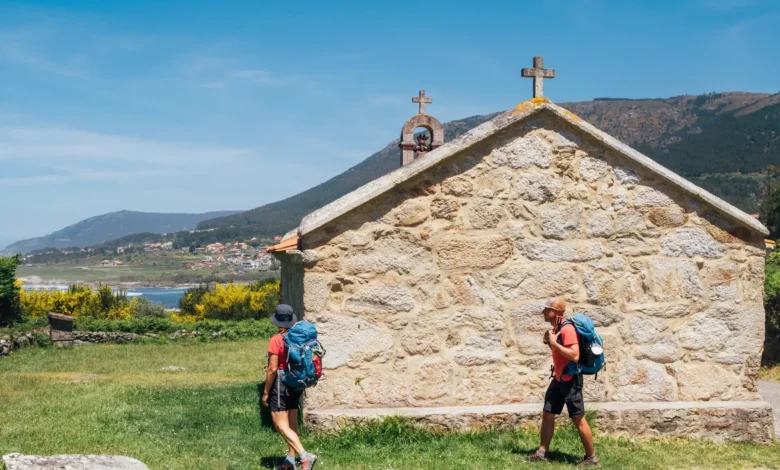
The Camino de Santiago is one of the most famous pilgrimage networks in the world, attracting walkers, hikers, cyclists, spiritual seekers, and adventure enthusiasts from across the globe. Located primarily in Spain, with several routes beginning in Portugal, France, and other European countries, the Camino offers a unique combination of natural beauty, cultural discovery, historical landmarks, and personal reflection.
Often translated as the Way of Saint James, the Camino de Santiago traditionally leads to Santiago de Compostela, a historic city in Galicia in northwestern Spain. According to Christian tradition, the city houses the remains of Saint James the Apostle in its magnificent cathedral. For centuries, pilgrims have traveled across Europe to reach this destination, establishing a network of trails, churches, villages, and accommodation facilities that continues to welcome modern travelers.
Today, the Camino de Santiago means different things to different people. Some walk for religious reasons, while others seek a physical challenge, a break from everyday routines, or an opportunity to explore European history and landscapes. Regardless of motivation, the journey encourages travelers to slow down, meet new people, appreciate simple experiences, and discover the rewards of traveling on foot.
What Is the Camino de Santiago?
The Camino de Santiago is not a single trail but a collection of pilgrimage routes that converge on Santiago de Compostela. These routes cross diverse landscapes, including mountains, forests, agricultural plains, coastal paths, and medieval towns.
The most popular route is the Camino Francés, which begins in Saint-Jean-Pied-de-Port in France and crosses the Pyrenees before continuing through northern Spain. Other important routes include the Camino Portugués, Camino del Norte, Camino Primitivo, and Camino Inglés.
Each route has its own character, scenery, difficulty level, and historical significance. Some offer well-developed infrastructure and frequent opportunities to meet other pilgrims, while others provide quieter experiences and more demanding terrain.
The Camino is also an organized cultural experience. Pilgrims can collect stamps in a credential, stay in pilgrim hostels known as albergues, enjoy regional cuisine, and visit historic religious buildings. The journey is flexible enough to accommodate travelers with different schedules, budgets, fitness levels, and personal goals.
The History of the Camino de Santiago
The Origins of the Pilgrimage
The history of the Camino de Santiago is closely connected to medieval Christian tradition. According to longstanding belief, the remains of Saint James the Apostle were discovered in Galicia during the early ninth century. The location eventually became the center of a major pilgrimage tradition.
As news of the shrine spread, pilgrims began traveling from different parts of Europe to visit the site. Religious institutions, local communities, and rulers supported the development of routes and facilities to accommodate travelers.
Over time, the pilgrimage became an important part of European religious and cultural life. Roads, bridges, hospitals, monasteries, and churches developed along popular routes, many of which remain visible today.
The Camino During the Middle Ages
During the Middle Ages, the Camino de Santiago became one of the principal Christian pilgrimage destinations, alongside Rome and Jerusalem. Travelers undertook long and often difficult journeys to seek spiritual fulfillment, fulfill religious commitments, or demonstrate devotion.
The pilgrimage also encouraged the exchange of ideas, languages, artistic traditions, and commercial practices. Towns along the routes benefited from the movement of visitors, while Romanesque and Gothic architecture reflected the region’s evolving cultural connections.
Although pilgrimage activity declined during certain historical periods, interest gradually returned. In modern times, improvements to trails, accommodation, transportation, and international awareness have helped establish the Camino as a major destination for cultural tourism and long-distance walking.
The Most Popular Camino de Santiago Routes
Choosing the right route is one of the most important decisions when planning a pilgrimage. Distance, available time, physical ability, scenery, and personal preferences all influence the best option.
1. Camino Francés
The Camino Francés is the most widely traveled Camino route. It traditionally begins in Saint-Jean-Pied-de-Port, crosses the Pyrenees, and continues through northern Spain toward Santiago de Compostela.
The full journey is approximately 780 kilometers, although the exact distance depends on the starting point and route variations. Many pilgrims allow around four to six weeks to complete it comfortably.
Major destinations include Pamplona, Logroño, Burgos, León, Astorga, and Sarria. Travelers encounter medieval churches, historic bridges, vineyards, open countryside, and traditional Spanish villages.
The route is particularly suitable for first-time pilgrims because it offers extensive accommodation, established waymarking, shops, cafés, and opportunities to connect with other walkers. However, its popularity can mean crowded trails and limited hostel availability during busy periods.
2. Camino Portugués
The Camino Portugués begins in Portugal and travels north toward Santiago de Compostela. Many pilgrims start in Lisbon or Porto, depending on the time and distance they want to cover.
The route from Porto is especially popular, offering a combination of historic towns, rural scenery, traditional villages, and distinctive Portuguese and Galician culture.
Pilgrims can choose an inland route or a coastal variation. The coastal option provides views of the Atlantic Ocean, seaside settlements, beaches, and maritime landscapes.
This route is an excellent choice for travelers interested in combining walking with Portuguese cuisine, architecture, and regional traditions. Its difficulty varies by section, but many walkers find it a manageable alternative to the longer Camino Francés.
3. Camino del Norte
The Camino del Norte follows Spain’s northern coastline through the Basque Country, Cantabria, Asturias, and Galicia. It is known for spectacular coastal scenery, green countryside, beaches, and picturesque fishing towns.
Compared with the Camino Francés, this route is generally more physically demanding. Frequent climbs and descents can make daily distances challenging, even for experienced hikers.
The Camino del Norte is particularly attractive to travelers who enjoy ocean views, quieter sections, and regional food traditions. Along the way, pilgrims can experience distinctive local cultures and sample specialties such as Basque cuisine and Asturian cider.
4. Camino Primitivo
The Camino Primitivo is often described as one of the oldest established routes to Santiago. It begins in Oviedo and crosses the mountainous landscapes of Asturias before joining the Camino Francés in Galicia.
This route appeals to hikers seeking a more demanding pilgrimage with beautiful natural surroundings. Mountain paths, forests, rural settlements, and panoramic viewpoints create a memorable walking experience.
The terrain can be steep, and weather conditions may change quickly. Proper footwear, suitable clothing, and realistic daily distances are especially important.
5. Camino Inglés
The Camino Inglés, or English Way, begins in Galicia, traditionally from Ferrol or A Coruña. Historically, pilgrims arriving by sea from the British Isles and other northern European regions used this route to continue toward Santiago.
Starting in Ferrol, the route covers approximately 115 kilometers, making it a practical option for travelers with limited time. The shorter distance allows many pilgrims to complete the journey in about five to seven days, depending on pace and rest days.
Its combination of woodland paths, rural scenery, historic churches, and manageable duration makes it a popular choice for shorter pilgrimages.
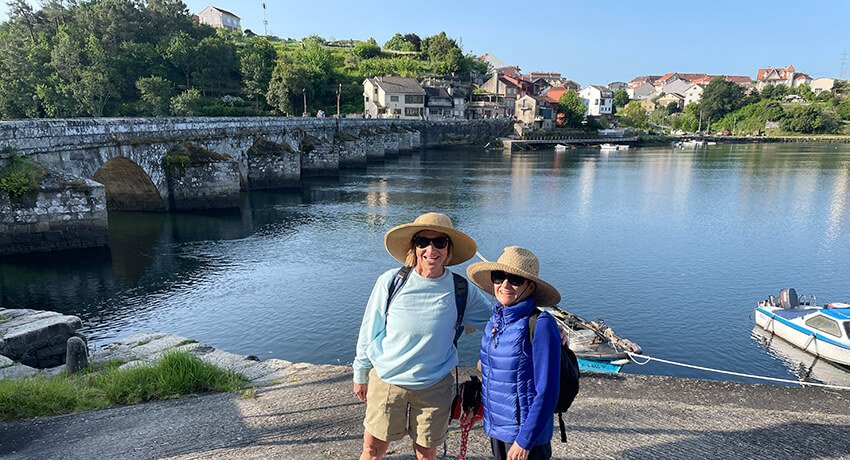
When Is the Best Time to Walk the Camino de Santiago?
The best time to walk the Camino de Santiago depends on the route, climate, crowd levels, and personal preferences.
Spring: April to June
Spring is one of the most attractive seasons for many pilgrims. Temperatures are often comfortable for walking, landscapes become greener, and wildflowers brighten the countryside.
However, rainfall can be frequent, particularly in Galicia and along northern coastal routes. Mountain sections may also experience cold conditions early in the season.
Travelers should pack waterproof clothing and check seasonal trail conditions before departure.
Summer: July and August
Summer offers longer daylight hours and generally favorable walking conditions across many inland sections. It is also the busiest period, especially on the Camino Francés and the final stretch from Sarria.
High temperatures can make midday walking uncomfortable, particularly across exposed plains. Starting early, drinking water regularly, and scheduling breaks in shaded locations can help reduce heat-related risks.
Accommodation should be planned carefully during popular summer weeks.
Autumn: September and October
Autumn can provide pleasant temperatures, colorful landscapes, and somewhat quieter trails after the summer peak. September is especially popular among walkers who want relatively warm weather without the height of summer crowds.
Rain and cooler temperatures become more common as autumn progresses. Some smaller accommodation providers may reduce their operating schedules later in the season, so advance planning becomes increasingly useful.
Winter: November to March
Winter is the quietest season on many Camino routes. It can appeal to experienced travelers seeking solitude, but it requires careful preparation.
Cold weather, rain, snow, reduced daylight, and occasional accommodation closures can complicate the journey. Mountain routes may become particularly challenging.
For most beginners, spring or early autumn offers a more comfortable balance of weather, services, and walking conditions.
How to Prepare for the Camino de Santiago
Successful Camino preparation involves more than purchasing hiking equipment. Physical conditioning, realistic scheduling, route research, and attention to health and safety all contribute to a rewarding experience.
Build Your Walking Fitness
Begin training several weeks or months before departure, depending on your current fitness level. Start with comfortable walks and gradually increase distance, duration, and elevation.
Practice walking on different surfaces, including pavement, gravel, forest paths, and hills. If you intend to carry a backpack, train with a similar load so your shoulders, back, and legs can adjust.
Rest days are important. Increasing mileage too quickly can lead to blisters, joint discomfort, and fatigue that interfere with the pilgrimage.
Choose Comfortable Footwear
Footwear is among the most important equipment decisions for the Camino. Well-fitting hiking shoes or lightweight boots can provide stability and protection, depending on the route and terrain.
Break in new footwear before traveling. Wearing the shoes during training walks helps identify pressure points and reduces the likelihood of painful blisters.
Moisture-managing socks, blister dressings, and a small first-aid kit are also useful. Avoid experimenting with unfamiliar footwear during the pilgrimage itself.
Pack Only the Essentials
Carrying less weight can make consecutive walking days considerably more comfortable. A practical packing list includes:
- Comfortable walking shoes and suitable socks.
- Lightweight clothing that can be layered.
- Waterproof jacket and rain protection.
- A supportive backpack.
- Reusable water bottle.
- Sun protection, including sunscreen, sunglasses, and a hat.
- Basic toiletries and a compact first-aid kit.
- Identification, travel documents, payment methods, and any necessary medication.
- Phone, charging cable, and a suitable power bank.
The ideal packing list varies by season, route, and accommodation choice. Pilgrims staying in hostels may need a sleeping bag liner, while travelers using private accommodation may require fewer sleeping items.
Plan Daily Distances Realistically
Many pilgrims walk approximately 15 to 25 kilometers per day, but this is a guideline rather than a requirement. Beginners may benefit from shorter distances, especially during the first several days.
Consider elevation, weather, available services, and your physical condition when choosing daily stages. Building occasional rest days into the schedule can make a long journey more sustainable.
Flexibility is valuable. A pilgrimage should not become an exhausting race to reach the destination.
Accommodation Along the Camino de Santiago
One of the distinctive features of the Camino is its variety of accommodation options.
Albergues and Pilgrim Hostels
Albergues are traditional pilgrim hostels that commonly provide shared sleeping areas and basic facilities. Some are operated by public authorities, religious organizations, or volunteer associations, while others are privately managed.
They offer opportunities to meet fellow pilgrims, exchange advice, and experience the social traditions of the Camino. However, privacy and comfort vary, and shared rooms may be noisy.
Rules concerning reservations, identification, opening hours, and pilgrim credentials differ between establishments. Check the requirements of individual hostels before relying on them for overnight stays.
Hotels, Guesthouses, and Rural Accommodation
Private rooms, hotels, pensions, and rural guesthouses provide alternatives for travelers who prefer greater privacy or comfort.
These options can be particularly useful after demanding walking days or when traveling with family. They may cost more than shared hostels, and availability can be limited in smaller villages during busy periods.
A combination of hostels and private rooms allows pilgrims to balance cost, comfort, and flexibility.
Food and Drink on the Camino de Santiago
Food is an important part of the Camino experience. Each region offers its own specialties, and local meals provide an opportunity to explore the culinary traditions of northern Spain and Portugal.
In Galicia, travelers can try pulpo a la gallega, a traditional octopus dish often served with potatoes and paprika. Other regional specialties include empanadas, seafood, hearty stews, and the famous almond cake known as tarta de Santiago.
The Camino Francés passes through areas known for wines, bread, cheeses, and traditional Castilian dishes. The Portuguese routes introduce pilgrims to regional soups, grilled fish, pastries, and other local favorites.
A typical walking day requires regular access to fluids and sufficient food. Breakfast, snacks, lunch, and dinner should provide enough energy for the day’s distance.
Carry water and some portable snacks, especially when crossing rural stretches where cafés and shops may be far apart. Travelers with dietary restrictions should plan ahead because food options can vary significantly between larger towns and small villages.
The Pilgrim Credential and Compostela Certificate
The pilgrim credential, commonly called the credencial, is a document used to record a pilgrim’s progress. Travelers collect stamps at churches, hostels, cafés, municipal offices, and other authorized locations along the route.
The credential also serves as proof of participation in the pilgrimage and may be required when staying in certain pilgrim accommodations.
After arriving in Santiago de Compostela, eligible pilgrims may apply for the Compostela, a certificate recognizing completion of the pilgrimage according to the cathedral’s established requirements.
For pilgrims traveling on foot or horseback, the commonly applicable minimum distance is 100 kilometers. Cyclists generally need to complete at least 200 kilometers. The final eligibility decision depends on the cathedral’s current rules and the pilgrim’s stated motivation and documented journey.
The final 100 kilometers from Sarria on the Camino Francés are therefore especially popular with walkers who have limited time.
Because certification requirements can change, travelers should confirm the current rules before beginning their journey.
What to See in Santiago de Compostela
Reaching Santiago de Compostela is a memorable moment for many pilgrims. The historic city combines religious significance, medieval architecture, lively public spaces, and distinctive Galician culture.
Santiago de Compostela Cathedral
The Cathedral of Santiago de Compostela is the spiritual and architectural centerpiece of the pilgrimage. Its history, artistic features, and connection to Saint James make it one of the most important religious monuments in Spain.
Visitors can explore the cathedral’s interior, admire its architectural details, and learn about the traditions associated with the shrine. Travelers should check current visitor arrangements and religious service schedules, as access rules can vary.
Praza do Obradoiro
Praza do Obradoiro is the famous square in front of the cathedral. Pilgrims frequently gather here after completing their journeys, celebrating their achievement and reflecting on the miles they have walked.
The surrounding historic buildings create an impressive setting for photography, sightseeing, and quiet observation. For many visitors, arriving at the square becomes the emotional highlight of the entire Camino.
The Old Town
Santiago’s historic center features narrow streets, stone buildings, traditional restaurants, and lively squares. Exploring the old town allows visitors to appreciate the city’s history beyond the pilgrimage itself.
Travelers can spend time discovering local cafés, browsing regional products, enjoying Galician food, and visiting additional churches and museums. Staying an extra day or two provides a more relaxed conclusion to the journey.
The Physical and Mental Benefits of Walking the Camino
Walking the Camino de Santiago can provide meaningful physical and psychological benefits, although individual experiences vary.
Regular walking supports cardiovascular fitness, muscular endurance, balance, and general physical activity. Gradually increasing daily distances can also improve confidence in managing demanding outdoor journeys.
The mental experience is equally important. Spending several hours walking each day can create space for reflection, reduce everyday distractions, and encourage a more deliberate pace of life.
Many pilgrims appreciate the opportunity to establish simple routines: waking early, walking toward the next village, sharing meals, and resting at the end of the day.
The Camino also creates opportunities for social connection. People from different countries, age groups, and backgrounds often share accommodation, meals, stories, and encouragement.
Nevertheless, the journey can involve physical discomfort, loneliness, fatigue, or unexpected difficulties. It should not be treated as a guaranteed solution to emotional challenges or a substitute for professional healthcare when needed.
Common Challenges on the Camino de Santiago
Although the Camino can be deeply rewarding, preparation helps travelers manage its difficulties.
Blisters and foot pain are common concerns, particularly when walking long distances on consecutive days. Suitable footwear, moisture-managing socks, and early attention to hot spots can reduce the risk.
Weather changes can also create problems. Heat, rain, wind, and cold conditions require appropriate clothing and adjustments to daily plans.
Physical fatigue becomes more likely when pilgrims increase their mileage too quickly or carry excessive weight. Rest, adequate nutrition, hydration, and realistic distances are essential.
Crowded accommodation can be challenging during peak periods. Reserving private rooms or planning popular stages carefully may help, although advance reservations can reduce spontaneity.
Finally, some travelers experience disappointment when the journey does not match their expectations. The Camino includes ordinary tasks, difficult weather, repetitive walking, and occasional inconvenience. Accepting these realities can make the experience more meaningful and manageable.
How Much Does the Camino de Santiago Cost?
The cost of the Camino depends on the route, travel season, accommodation style, food choices, and transportation arrangements.
Budget-conscious pilgrims who stay in inexpensive hostels and prepare some of their own meals may spend less than travelers who prefer private rooms and restaurant dining.
A practical daily budget might fall within these approximate ranges:
| Expense | Illustrative daily cost |
|---|---|
| Shared pilgrim accommodation | €10–€25 |
| Private room or guesthouse | €35–€100+ |
| Meals and snacks | €15–€35 |
| Drinks and miscellaneous expenses | €5–€15 |
These figures are planning estimates rather than guaranteed prices. Costs vary considerably by location, season, and accommodation availability.
Travelers should also budget for transportation to the starting point, return travel from Santiago, equipment, insurance, laundry, and unexpected expenses.
Planning a modest financial reserve helps prevent small surprises from disrupting the pilgrimage.
Is the Camino de Santiago Suitable for Beginners?
Yes, the Camino de Santiago can be suitable for beginners, provided they choose an appropriate route and prepare realistically.
The Camino Francés offers extensive infrastructure, while the Camino Portugués from Porto provides a popular alternative for travelers seeking a shorter overall journey. The Camino Inglés can suit people who want to experience a traditional pilgrimage over a more limited number of days.
Beginners should avoid assuming that an established trail is automatically easy. Walking 20 kilometers daily for several weeks places different demands on the body than completing a single weekend hike.
A sensible approach includes training beforehand, starting with manageable distances, carrying a light backpack, and allowing time for rest.
Travelers should also understand basic navigation, weather awareness, road-crossing safety, and how to seek assistance when necessary.
With appropriate preparation, the Camino can be an accessible and rewarding experience for people with a wide range of walking backgrounds.
Conclusion: Why the Camino de Santiago Remains Unforgettable
The Camino de Santiago is far more than a long-distance walking trail. It is a journey through history, culture, nature, regional cuisine, and human connection. From the mountain paths of the Camino Primitivo to the coastal scenery of the Camino del Norte, each route offers a different perspective on the landscapes and traditions of the Iberian Peninsula.
For some travelers, reaching Santiago de Compostela fulfills a religious commitment. For others, it represents personal achievement, adventure, reflection, or the opportunity to step away from everyday responsibilities.
The experience is shaped by the people encountered, the villages explored, the challenges overcome, and the simple routines that develop along the way. Careful preparation, suitable equipment, realistic walking distances, and an open mind can help make the journey safer and more enjoyable.
Whether you choose the complete Camino Francés, a section of the Camino Portugués, or a shorter route such as the Camino Inglés, the pilgrimage offers an opportunity to experience Europe at walking pace.
Ultimately, the lasting value of the Camino de Santiago lies not only in reaching the cathedral but also in everything discovered between the starting point and the final destination.
Do you like this personality?