Coastal vs Rustic Chandeliers: An Essential Guide to Choosing the Right Style

A chandelier does more than brighten a room. Its size, materials, and silhouette can establish the mood of a dining area, living room, bedroom, or entryway before any smaller decorative detail is noticed. Coastal and rustic chandeliers are both known for warmth and natural character, but they create that feeling in different ways.
Coastal lighting tends to feel light, relaxed, and influenced by the colours and textures of the shore. Rustic lighting usually has more visual weight, drawing from aged wood, dark metal, and traditional craftsmanship. Choosing between them becomes easier when you consider the home’s existing materials, the room’s proportions, and the atmosphere you want to create.
What Defines Coastal Chandelier Style?
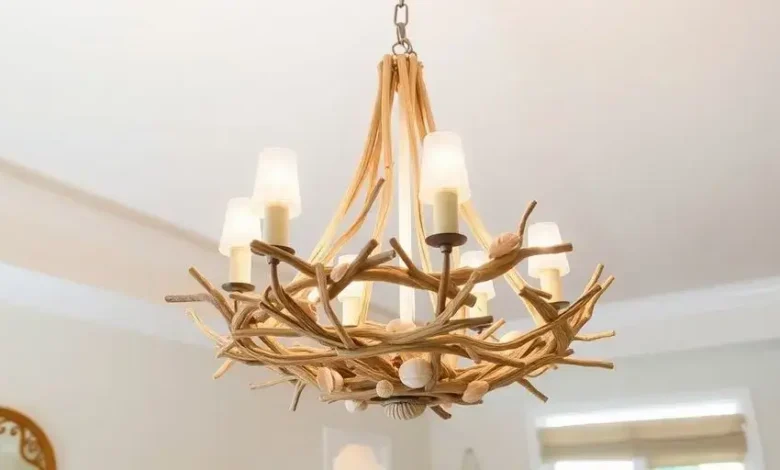
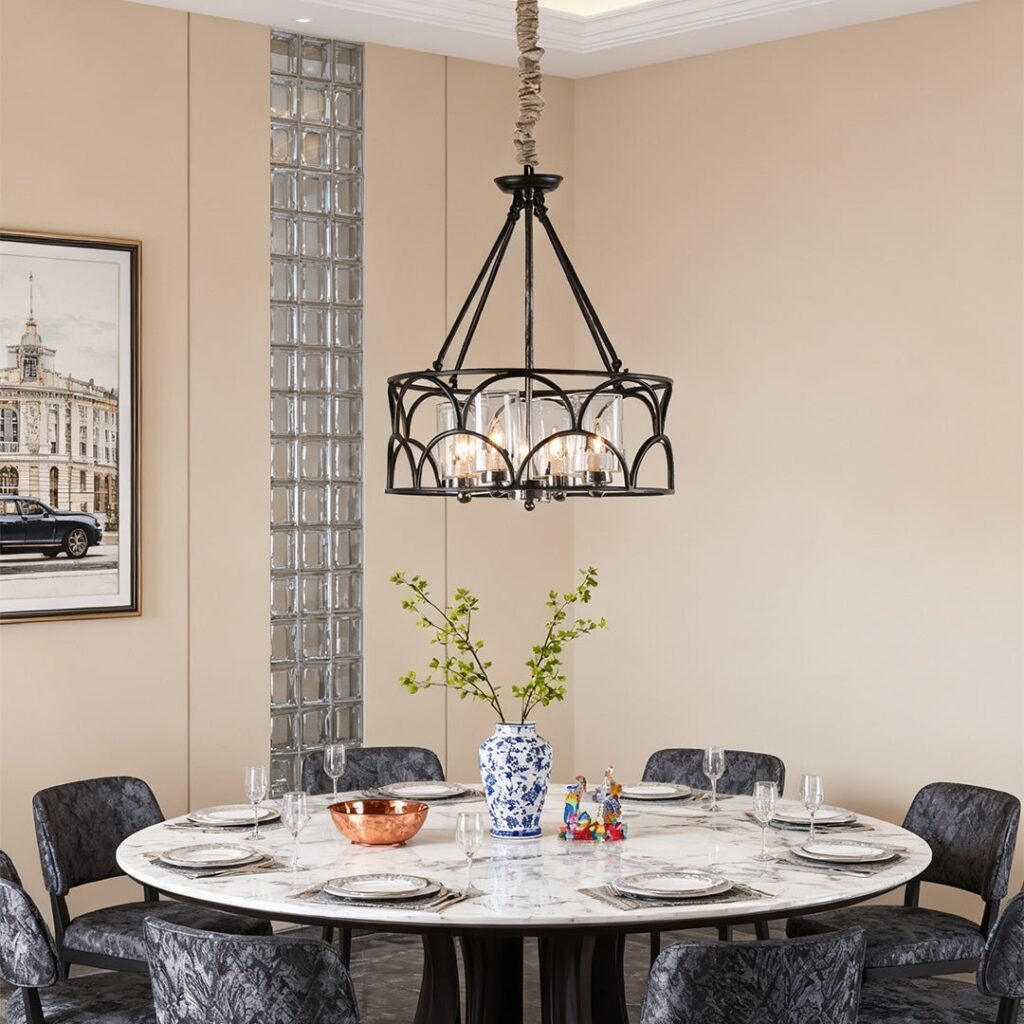
Coastal design is not limited to seashell decorations or blue-and-white colour schemes. At its best, it captures the openness and ease of a home near the water. Chandeliers may use woven fibres, rope, pale timber, glass, beads, or softly weathered finishes. Open frames and airy shapes help preserve natural light and prevent the ceiling from feeling crowded.
A well-chosen Coastal Chandelier can suit more than a beach house. In a neutral dining room, it adds texture without introducing a heavy block of colour. In a bedroom, a pale or woven design can create a calm focal point. It also works well in modern interiors that need a softer, more relaxed element.
What Makes a Chandelier Feel Rustic?
Rustic chandeliers often celebrate sturdy materials and visible construction. Timber arms, iron frames, wagon-wheel forms, lantern shapes, and warm aged finishes give them a grounded presence. Small imperfections and variations can make the fixture feel as though it has developed character over time.
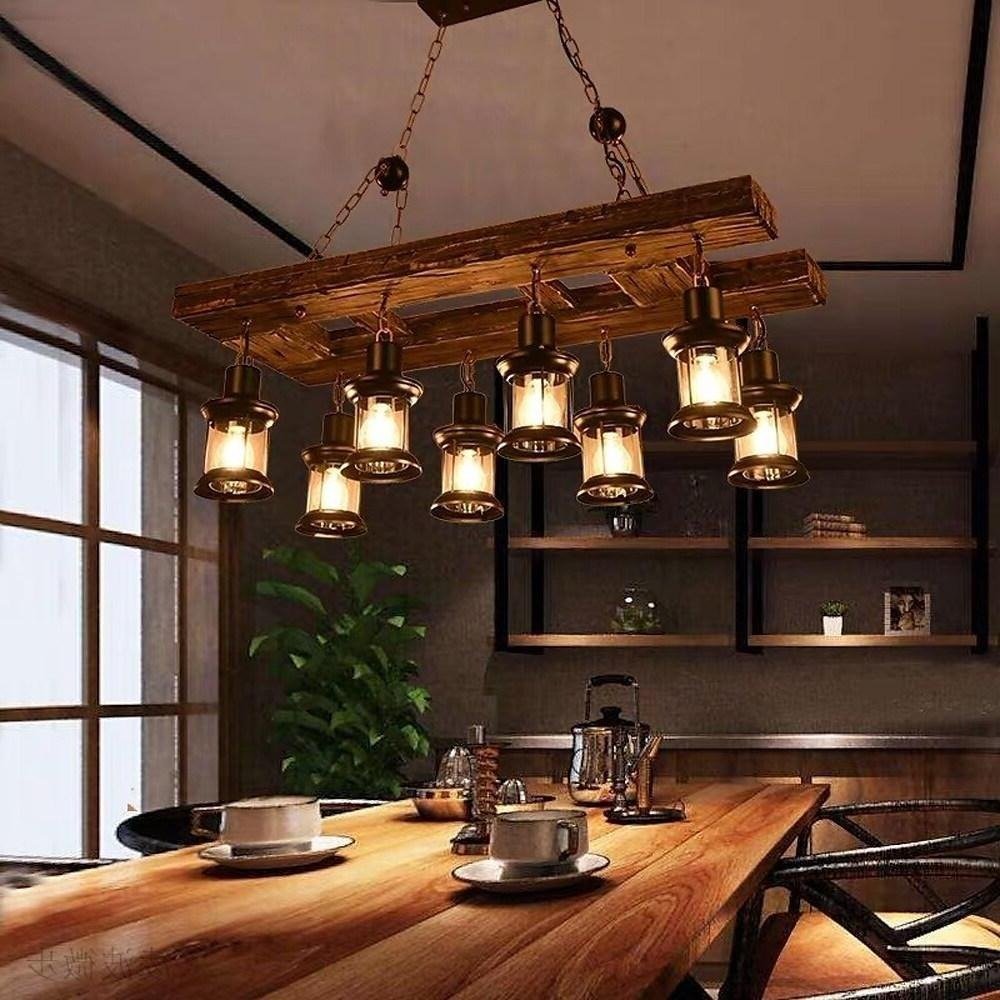
A Rustic Chandelier is a natural choice for farmhouse, lodge, country, and industrial-inspired rooms, but it can also add contrast to a clean modern space. A simple dark frame above a pale table creates definition, while warm timber connects the ceiling fixture to flooring, beams, or furniture below.
Look at the Materials Already in the Room
Existing finishes provide useful clues. Coastal lighting complements pale woods, linen, wicker, white walls, soft blues, light stone, and clear glass. Rustic fixtures pair naturally with darker timber, leather, brick, rough stone, iron, and warm neutral colours.
The chandelier does not need to match every material exactly. It can act as a bridge between contrasting elements. For example, a coastal fixture with a dark frame can connect woven furniture to black window trim. A rustic chandelier with lighter timber may soften a room containing heavy stone or dark cabinetry.
Consider Visual Weight, Not Just Dimensions
Two chandeliers with the same diameter can feel very different. An open frame allows the ceiling and walls to remain visible, so it appears lighter. A dense arrangement of timber, beads, shades, or metal may look much larger even when its measurements are similar. When comparing designs from Dazuma Lighting, review the listed measurements alongside the product images because visual weight can matter as much as diameter.
In a compact room, an airy coastal design or simple open rustic frame can create presence without obstruction. Larger rooms may support broader wagon-wheel shapes, layered beads, or multiple tiers. Always compare the fixture’s width and total hanging height with the table or seating area below it.
Match the Chandelier to the Room’s Purpose
A dining-room chandelier should centre the table and provide comfortable light for meals and conversation. In a living room, it may serve as decorative ambient lighting while lamps handle reading tasks. An entryway fixture needs to look balanced from several viewpoints and maintain safe clearance below.
Bedrooms generally benefit from a quieter design and softer diffusion. Coastal textures often suit a restful atmosphere, while a compact rustic fixture can add warmth without dominating the room. Whatever the setting, check sightlines, doors, furniture, and circulation routes before deciding the hanging height.
Choose the Right Light Quality
Material and shade design influence how light travels. Clear glass exposes the bulbs and creates sparkle, while frosted glass produces a gentler glow. Woven shades cast subtle patterns, and opaque metal elements direct more light upward or downward.
Warm white light generally complements both coastal textures and rustic finishes. Dimming adds flexibility, allowing brighter illumination for practical use and a lower level for relaxed evenings. Nearby lamps and ceiling lights should use a reasonably consistent colour temperature so the room feels connected.
Which Style Is Right for Your Home?
Choose coastal when the room needs lightness, soft texture, and an easygoing atmosphere. Choose rustic when it needs stronger structure, deeper warmth, and a sense of craftsmanship. If the interior combines both qualities, look for a crossover design—perhaps a pale wood frame with simple metalwork or a lantern form made from woven material.
The best chandelier is not defined by a label alone. It should relate to the room’s scale, support the way the space is used, and provide comfortable illumination. When those practical considerations align with the materials and mood you love, either coastal or rustic lighting can become a lasting part of the home.