
The Age of “Good Enough” Visual Content Is Ending
For a while, the internet was willing to accept almost anything that looked remotely polished. A nice gradient, a dramatic portrait, a glossy poster-style image, a cinematic thumbnail with a few bold words slapped on top—done. That was enough to get attention for a few seconds. But creators know the game has changed. In 2026, just looking decent is not enough anymore. Visuals have to feel intentional. They have to feel fast, sharp, brand-aware, and flexible enough to keep up with the pace of online creativity.
This is exactly why AI image generation has become such a serious topic. The conversation is no longer about whether an AI model can make a pretty picture. It is about whether it can become part of a real workflow. Can it help creators move faster without making everything feel generic? Can it help teams explore more directions before a campaign goes live? Can it turn a vague idea into something visually useful before the creative spark disappears?
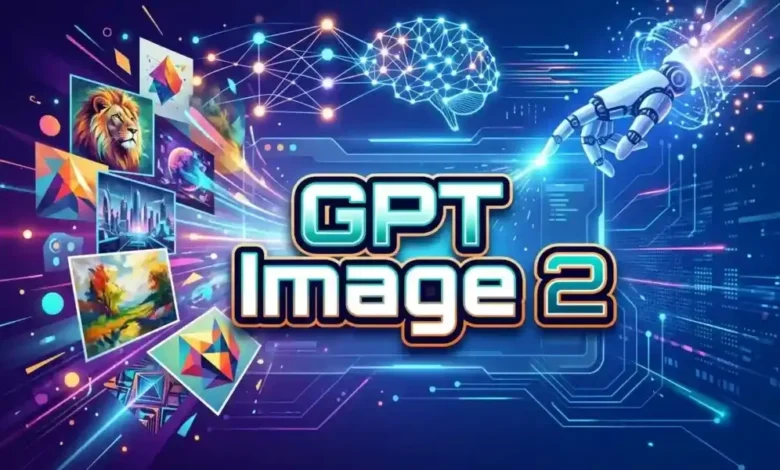
That is where GPT Image 2 starts to stand out in a much more interesting way. It fits a moment when creators are not just experimenting anymore—they are producing, shipping, testing, launching, and competing with visual content every single day.
The Real Creative Pressure Is Not Inspiration — It Is Execution
Most creators do not struggle because they lack ideas. If anything, they usually have too many. A founder wants a cleaner hero image for a landing page. A marketer wants three stronger ad concepts before lunch. A creator wants a more cinematic visual for a social post. A designer wants to test a moodier art direction without spending hours building it manually from scratch. The imagination is there. The bottleneck is execution.
That is why AI image tools have become so attractive. They shorten the most frustrating part of the process: the distance between “I know what I want” and “I finally have something I can use.” That distance may sound abstract, but it is where a huge amount of creative energy gets lost. Ideas cool down. Deadlines get tighter. Teams settle for the safe option because there is no time left to explore the better one.
A strong image model changes that rhythm. It gives creators a way to enter the visual phase sooner. It makes trying an idea cheaper. It turns experimentation from a luxury into something normal.
Image Generation Is Growing Up Fast
The first wave of AI image excitement was mostly about surprise. People loved seeing how weird, beautiful, surreal, or unexpectedly polished the outputs could be. But the category is maturing now. Surprise is no longer enough. The real winners are the tools that help people work.
That means the standard is higher. Creators do not just want “impressive.” They want “usable.” They want images that can become campaign assets, social visuals, branding explorations, editorial-style graphics, moodboards, product scenes, launch materials, posters, thumbnails, and on-site creative without requiring endless cleanup or frustrating reruns. They want a model that can handle more than one type of output and still feel dependable.
This is why GPT Image 2 feels so timely. It belongs to a moment when the audience is no longer casually impressed by AI. People are looking for leverage now. They want tools that help them do more, test more, and publish faster without losing visual quality in the process.
Why Speed Matters More Than Most People Admit
Creative work loves momentum and hates drag. The longer it takes to get from idea to visual, the easier it is to lose confidence in the idea itself. Something that felt exciting at 9 a.m. can feel overthought and lifeless by 4 p.m. if the workflow is too heavy. That is one of the quiet reasons AI image generation is becoming so valuable: it protects momentum.
When visual exploration becomes faster, creators stop treating every experiment like a major commitment. They can try the bolder version. They can test the darker style, the cleaner composition, the more premium tone, the more playful concept, the more aggressive campaign angle. They do not have to bet everything on the first draft because the cost of exploring alternatives is much lower.
That kind of freedom changes the quality of creative decision-making. People usually make better choices when they have room to compare. They make stronger work when they are not cornered into “good enough” simply because the process is too slow.
The Best Models Do More Than Make Nice Pictures
A flashy output is easy to admire and easy to forget. A useful output is different. It solves a problem. It moves the project forward. It gives the creator something to build on.
That is what makes the newer generation of image tools more interesting than the early demo era. The goal is no longer just to produce a beautiful image for its own sake. The goal is to create something that fits a purpose. It might need to feel like a polished hero banner. It might need to suggest a premium product mood. It might need to support a campaign with a specific emotional tone. It might need to look cinematic, minimal, editorial, futuristic, playful, or sharply commercial depending on the context.
That is where GPT Image 2 becomes especially relevant. The appeal is not just that it belongs to the AI image generation category. It is that it can sit inside a serious creative process, where the output needs to do more than look cool for five seconds. It needs to function.
Why Flexibility Is Becoming the Real Superpower
One problem with weaker image tools is that they shine in one narrow lane and then fall apart as soon as the user asks for something different. Maybe they are good at dramatic portraits but bad at product visuals. Maybe they can do surreal art but struggle with clean commercial composition. Maybe they make stunning one-off images but cannot hold a consistent tone across a broader batch of assets.
That is why flexibility matters so much now. Real creators do not work in one style forever. One day they need a bold launch visual. The next day they need a calmer brand image. The next week they need stylized ad concepts, website graphics, social post art, or product-story visuals. A useful model has to move with those demands rather than forcing the user into one aesthetic comfort zone.
That kind of range is what turns a model from an occasional toy into a repeat-use tool. It gives people confidence that they can come back with different needs and still get something valuable.
Visual Competition Is Now a Daily Reality
Every brand, creator, founder, marketer, and operator is fighting the same battle now: attention. And attention is increasingly won through visual clarity. The internet is not gentle about this. A weak visual gets skipped. A generic visual gets forgotten. A confusing visual gets ignored. Strong images still have the power to stop someone for a second, and that second often determines whether the rest of the content gets a chance.
This is why image generation matters beyond aesthetics. It affects business outcomes. It affects click-throughs, brand impression, shareability, campaign speed, and how big or small a project feels in the eyes of the audience. A small team with sharper visuals can often appear more confident and more established than a larger team with bland creative.
That is part of the quiet power of AI image tools. They help creators and teams punch above their weight. They do not magically replace strategy or taste, but they expand what is possible under real-world time pressure.
Better Tools Encourage Better Ideas
Something interesting happens when the cost of exploration drops: people stop playing so safe. If testing a bold concept no longer requires a full production cycle, creators are more willing to go after stronger ideas. They become less attached to the first acceptable option and more willing to search for the one that actually feels right.
That is why stronger image tools do not just speed up the execution phase. They improve the ideation phase too. They invite more playful thinking, more visual ambition, and more creative courage. A team that knows it can explore five directions is less likely to settle for the flattest one. A founder who can quickly see different brand moods is more likely to choose a more distinctive direction. A creator who can rapidly compare visual tones is more likely to find one that actually fits the content instead of merely decorating it.
In that sense, AI image generation is not reducing creativity. It is often expanding it.
Human Taste Still Decides Everything Important
For all the excitement around the tool itself, the most important part of the process is still human judgment. The model can generate. It cannot care. It cannot decide what is truly on-brand, what feels emotionally right, what matches the audience, or what gives a campaign its edge. Those decisions still come from the person using it.
And that is a good thing. The best creative workflows are not about removing human taste. They are about giving human taste more room to operate. When the repetitive labor becomes lighter, the creator can focus on direction, tone, selection, and refinement. Instead of spending all their energy trying to get any visual at all, they can spend more of it deciding which visual actually deserves to represent the idea.
That is where the real quality still comes from.
The Future of AI Image Generation Is Practical
The category is moving toward a simpler question now: does this help people make better work, faster? Not in theory. In reality. Does it fit inside deadlines? Does it support brand thinking? Does it help content teams move? Does it reduce friction without flattening output? Does it make experimentation easier and execution cleaner?
The tools that win will not just be the ones with the loudest demos. They will be the ones creators quietly keep open in another tab because they have become genuinely useful. They will be the ones people return to during campaign planning, launch prep, content creation, design exploration, and visual problem-solving because the workflow is simply lighter with them in it.
That is the direction the whole category is heading.
Final Thoughts
AI image generation is no longer exciting just because it exists. It is exciting because it is becoming practical creative infrastructure. It helps people move from rough idea to polished visual much faster. It gives smaller teams more range. It protects momentum. It creates room for stronger experimentation. And it allows creators to spend more time making good decisions instead of getting stuck in slow execution loops.
That is why GPT Image 2 feels like part of a much bigger shift. It is not just another model in a crowded field. It represents the growing expectation that AI tools should not only impress—they should actually help.
And in 2026, that may be the difference that matters most.