

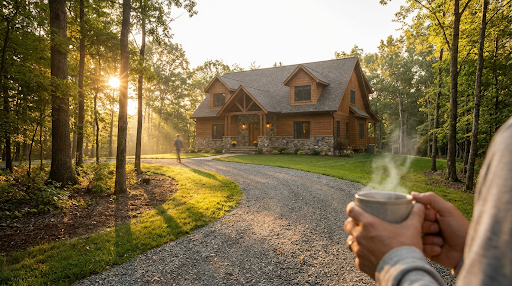
Most people who struggle with addiction don’t fail because they lack willpower. They fail because they’re trying to rebuild their lives while standing in the middle of a war zone. Outpatient programs, support groups, and even the best therapists can only do so much when someone returns home each night to the same environment, the same triggers, and the same patterns that fueled their substance use in the first place.
This is where residential recovery becomes the missing link to lasting sobriety for thousands of people each year. The concept isn’t complicated: remove someone from their destructive environment, provide round-the-clock support, and give them the time and space to heal properly. Yet many people skip this step entirely, jumping straight from detox to outpatient care, only to find themselves relapsing within weeks or months.
I’ve watched this pattern repeat countless times. Someone completes a seven-day detox, feels physically better, and assumes the hard part is over. They return to their apartment, their old neighborhood, their former social circles. Within two weeks, they’re using again. The problem wasn’t their commitment or their desire to change. The problem was trying to transform their entire life while surrounded by everything that kept them sick.
Residential treatment addresses this fundamental gap. It provides the protected space necessary for genuine neurological and psychological healing, the kind that simply cannot happen in a few hours of weekly therapy.
The Limitations of Outpatient Care in Early Recovery
Outpatient treatment serves an important purpose, but it has significant blind spots that become glaringly obvious in early recovery. Most outpatient programs offer between three and twelve hours of treatment per week. That leaves 156 to 165 hours where someone is essentially on their own, navigating a world filled with triggers, temptations, and the lingering effects of withdrawal.
The math doesn’t work in favor of recovery. A brain that has been rewired by addiction doesn’t simply reset after a few therapy sessions. Neuroplasticity takes time, repetition, and consistent reinforcement of new patterns. Outpatient care provides valuable tools, but it often delivers them faster than someone can actually absorb and apply them.
Environmental Triggers and the Cycle of Relapse
Your environment isn’t neutral. Every location, relationship, and routine carries associations that your brain has catalogued over years of substance use. The corner store where you bought alcohol, the friend who always had pills, the specific time of day when cravings hit hardest, these triggers don’t disappear just because you’ve decided to get sober.
Research consistently shows that environmental cues activate the same reward pathways in the brain that actual substance use does. Someone might feel completely committed to sobriety during their morning therapy session, then walk past a familiar bar on the way home and experience an overwhelming urge that feels impossible to resist. This isn’t a weakness. It’s neuroscience.
The cycle becomes predictable: commitment, trigger, craving, relapse, shame, and then another attempt at recovery. Each failed attempt can erode confidence and reinforce the belief that lasting sobriety is impossible. Breaking this cycle often requires physically removing oneself from the triggering environment long enough for the brain to form new associations and responses.
The Gap Between Clinical Hours and Real-World Temptation
Three hours of group therapy on Tuesday doesn’t prepare you for the panic attack that hits at 2 AM on Saturday. Outpatient programs operate on schedules that rarely align with when people actually need help most. Cravings don’t wait for business hours. Emotional crises don’t schedule themselves around your next appointment.
This gap leaves people vulnerable during their most fragile moments. They might have excellent coping strategies in theory but lack the support to implement them when stress, loneliness, or boredom strikes. The phone numbers of sponsors and counselors help, but they’re not the same as having someone physically present who can intervene before a bad moment becomes a devastating relapse.
The Therapeutic Value of a Controlled Environment
Residential treatment creates what clinicians call a “therapeutic milieu”, an entire environment designed to support recovery. Everything from the daily schedule to the physical layout serves a purpose. This isn’t about restriction or punishment. It’s about creating conditions where healing can actually happen.
Think of it like recovering from major surgery. You wouldn’t leave the hospital immediately after an operation to go run errands. You’d stay in a controlled environment where professionals could monitor your progress, manage complications, and ensure proper healing. Addiction has caused significant damage to the brain, and it deserves the same careful recovery period.
Establishing Structure and Routine
Addiction thrives in chaos. Irregular sleep, skipped meals, unpredictable schedules are conditions that make maintaining sobriety exponentially harder. Residential programs impose structure that might feel restrictive at first but becomes genuinely therapeutic over time.
Waking at a consistent time, eating regular meals, attending scheduled activities, and going to bed at a reasonable hour, these basic rhythms help regulate the body’s stress response systems. Cortisol levels stabilize. Sleep quality improves. The constant low-grade anxiety that accompanies early recovery begins to ease.
This structure also eliminates decision fatigue. When every hour has a purpose, there’s less mental energy spent wondering what to do next, and fewer opportunities for boredom to morph into craving. Residents can focus their cognitive resources on the actual work of recovery rather than constantly managing their environment.
24/7 Support and Crisis Intervention
The middle of the night is when recovery often feels most impossible. Old memories surface, anxiety spikes, and the brain starts bargaining for just one drink or one hit to make the discomfort stop. In outpatient care, these moments happen in isolation. In residential treatment, help is always available.
Staff members trained in crisis intervention can recognize warning signs and provide immediate support. They can sit with someone through a difficult moment, offer grounding techniques, or simply provide human connection when loneliness threatens to overwhelm. This constant availability creates a safety net that allows residents to take emotional risks they might avoid in less supported settings.
The security of knowing help is always available paradoxically makes people more willing to confront difficult emotions. They can explore traumatic memories or challenging feelings knowing that support is immediately accessible if things become too intense.
Holistic Healing Beyond Detoxification
Detox addresses the physical dependence on substances, but addiction involves far more than physical symptoms. Residential programs have the time and resources to address the psychological, emotional, and social dimensions of addiction that outpatient care often can’t reach.
The typical residential stay of 30 to 90 days allows for deeper therapeutic work than weekly outpatient sessions can provide. Issues that might take months to uncover in traditional therapy often surface within weeks in an intensive residential setting, where the focus on recovery is constant rather than compartmentalized into scheduled appointments.
Integrating Dual-Diagnosis Treatment
Approximately half of all people with substance use disorders also have co-occurring mental health conditions like depression, anxiety, PTSD, or bipolar disorder. These conditions don’t exist separately from addiction, they interact with and reinforce each other in complex ways.
Residential programs can address both conditions simultaneously with coordinated treatment teams. A psychiatrist can adjust medications while therapists work on trauma processing, and both can communicate daily about a resident’s progress. This integration is nearly impossible to achieve in outpatient settings where different providers may not even be in the same building.
Treating only the addiction while ignoring underlying mental health issues is like treating a fever without addressing the infection causing it. The symptoms might temporarily improve, but the root problem remains. Dual-diagnosis treatment in a residential setting offers the comprehensive approach that lasting recovery often requires.
Developing Life Skills for Long-Term Autonomy
Many people with severe addiction have spent years avoiding the basic responsibilities of adult life. Bills went unpaid, relationships deteriorated, careers stalled or never started. Recovery requires not just stopping substance use but building an entirely new way of living.
Residential programs often include practical skill-building: financial literacy, communication techniques, stress management, healthy cooking, and employment readiness. These might seem like secondary concerns compared to the urgency of stopping drug use, but they’re actually essential for long-term success.
Someone who leaves treatment without knowing how to manage stress, maintain healthy relationships, or handle basic responsibilities faces enormous obstacles to sustained sobriety. The protected environment of residential care provides space to develop these skills before they’re needed in the real world.
The Power of Peer Community and Shared Experience
Recovery happens in relationships. The isolation that typically accompanies addiction needs to be replaced with genuine human connection, and residential programs create conditions where these connections can form naturally and deeply.
Living alongside others who share similar struggles creates a unique form of understanding. There’s no need to explain or justify the experience of addiction to people who have lived it themselves. This shared context allows for vulnerability and honesty that might take months or years to develop in other settings.
Breaking the Isolation of Addiction
Active addiction is profoundly lonely. Even when surrounded by people, someone using substances often feels fundamentally disconnected and misunderstood. Shame keeps them from being honest about their struggles, and the need to hide their use creates barriers in every relationship.
Residential treatment reverses this isolation through forced proximity and shared experience. Meals are eaten together. Groups are attended together. Free time is spent in common spaces. These constant interactions, while sometimes uncomfortable, gradually rebuild the capacity for authentic connection.
Many residents describe the relationships formed in treatment as among the most meaningful of their lives. There’s something uniquely bonding about going through difficult experiences together, and these connections often become crucial sources of support long after treatment ends.
The Role of Group Accountability
Peer accountability operates differently than accountability to professionals or family members. When someone in your therapy group calls out your denial or rationalization, it carries a different weight than when a counselor does the same thing. They’ve been where you are. They know the games you’re playing because they’ve played them too.
This peer accountability extends beyond formal group sessions. Housemates notice when someone seems off, when they’re isolating, or when their attitude shifts. They can intervene informally in ways that staff members might miss. The community becomes a collective early warning system for relapse.
Group accountability also provides motivation through positive examples. Watching someone a few weeks ahead in the program make progress demonstrates that recovery is possible. Their success becomes evidence that the hard work is worthwhile.
Bridging the Transition to Sustainable Independence
The goal of residential treatment isn’t to create permanent dependence on a controlled environment. It’s to build the internal resources and external supports necessary for independent living in recovery. The transition from residential care back to regular life requires careful planning and ongoing support.
The best residential programs begin preparing for discharge from the first day. They help residents identify what needs to change in their home environment, which relationships support or threaten their recovery, and what ongoing care will be necessary after they leave.
Aftercare Planning and Relapse Prevention Strategies
Leaving a rehabilitation center without a detailed aftercare plan is like leaving the hospital after surgery without follow-up appointments. The intensive work of treatment needs to be maintained and reinforced through ongoing support.
Effective aftercare planning addresses multiple dimensions, continued therapy or counseling, medication management if applicable, support group attendance, sober living arrangements if needed, and strategies for handling specific high-risk situations. The plan should be concrete and specific, not vague intentions to “stay connected” or “keep working on recovery.”
Relapse prevention isn’t about avoiding temptation forever. It’s about developing realistic strategies for managing the triggers and cravings that will inevitably arise. Residential programs teach these strategies and provide opportunities to practice them in a supported environment before they’re needed in the real world.
Finding the Path Forward
Residential recovery represents a significant commitment of time, resources, and emotional energy. It’s not the right choice for everyone, and many people do achieve lasting sobriety through outpatient care alone. But for those who have tried and failed with less intensive approaches, residential treatment often provides the missing piece.
The protected environment, constant support, and immersive focus on recovery create conditions where genuine transformation becomes possible. The connections formed and skills developed during residential treatment provide a foundation for sustainable independence.
If you or someone you care about is struggling with repeated relapses or finding that outpatient care isn’t providing enough support, consider whether residential treatment might be the missing link to lasting sobriety. The investment of a few months in intensive care can make the difference between years of continued struggle and a lifetime of recovery.