

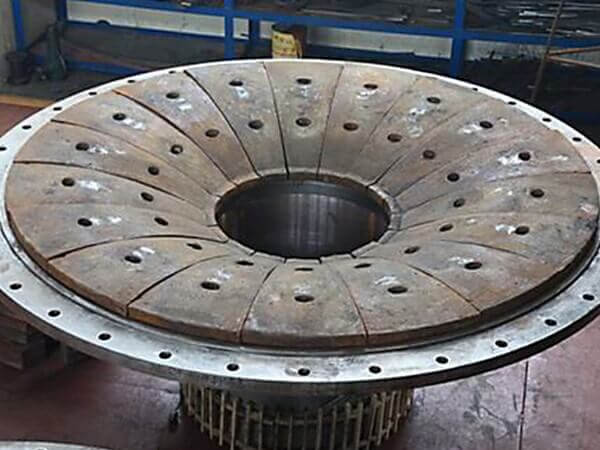
The process of expert alloy selection for mill liners plays a significant role in the performance and longevity of milling equipment. The careful selection of alloys ensures that the mill liners can withstand the various stresses and impacts they encounter during operation, ultimately leading to extended service life and reduced operational downtime.
Understanding Mill Liners
Mill liners are crucial components in mineral processing and cement industries. These liners protect the mill shells from direct impact and wear, allowing the grinding body to reach optimum efficiency. Thus, the right selection of material is not merely a technical decision but an economic one, influencing both productivity and cost management.
The Role of Alloys in Mill Liners
Alloys used in mill liners are chosen for their wear resistance, toughness, and impact resistance. The combination of metals influences the properties of the liners significantly. Typical materials used include high chromium steel, manganese steel, and other alloyed steels designed to provide a balance of hardness and ductility.
Factors Influencing Alloy Selection
When selecting an alloy for mill liners, several factors must be considered. These include the type of material being milled, the grinding process, and the specific needs of the operation. Experts in alloy selection must evaluate the abrasiveness and hardness of the milled material, as this affects the wear rate of the liners.
Considerations for Material Hardness
Material hardness is an essential factor in determining the suitable mill liner. Hard Chrome White Iron (HCWI) is often used in industries where aggressive material hardness is encountered. This material offers high wear resistance, which is critical in prolonging liner life and maintaining efficient mill operation.
The Importance of Impact Resistance
Impact resistance is another critical consideration. Mill liners must be able to absorb the energy produced during milling operations. Materials such as manganese steel are favoured in scenarios where liners must endure heavy impact. Manganese steel’s ability to work-harden under stress makes it a versatile choice for many milling applications.
Balancing Performance with Cost
It is not merely about choosing the toughest material; the selection process must also consider cost efficiency. While high-performance alloys such as nickel-based compositions offer superior properties, their cost may be prohibitive for some operations. Consequently, a balance between cost and performance must be achieved.
Innovations in Alloy Technology
Ongoing developments in alloy technologies have introduced new materials with enhanced properties. Composite liners, which combine different materials, provide opportunities to optimise performance based on specific milling conditions. This innovation has led to increased interest in alloy research aimed at maximising mill efficiency.
Operational Environment Considerations
The operational environment also impacts the choice of alloy. Factors such as temperature and corrosion potential need to be accounted for in the selection process. Specialized alloys have been developed to withstand extreme conditions, ensuring that mill liners maintain their integrity over extended periods.
Maintenance and Replacement Strategies
Efficient maintenance and timely replacement strategies are integral to the extended performance of mill liners. By selecting the appropriate alloy, operators can significantly reduce the frequency of liner replacements, thus lowering maintenance costs and equipment downtime.
Future Outlook for Alloy Selection
As the mining and milling industries continue to evolve, the demand for customised alloy solutions is expected to grow. Future trends indicate a shift towards even more specialised alloys that address specific milling challenges. Continuous research and development efforts will drive these innovations forward.
Conclusion
In conclusion, expert alloy selection for mill liners is a nuanced process that requires careful consideration of various factors. By understanding the different alloy properties and their applications within milling operations, operators can enhance the durability and performance of their equipment, ensuring long-term operational success.