
Remember when creating a professional image meant spending hours in complex design software or hiring an expensive photographer? Those days are fading fast. Today, anyone with an idea can bring it to life in seconds using an AI Image Generator. This technology isn’t just a fancy tool for tech enthusiasts anymore. It’s becoming as common as spell-checkers and photo filters, reshaping how we approach visual content.
The creative landscape has shifted dramatically over the past few years. What once required specialized training and costly equipment now fits in your pocket. Small business owners, social media managers, bloggers, and hobbyists are discovering they can produce eye-catching visuals without breaking the bank or spending weeks learning complicated programs. The barrier to entry has dropped so low that the only real limit is imagination itself.
What Makes Modern AI Image Tools Different
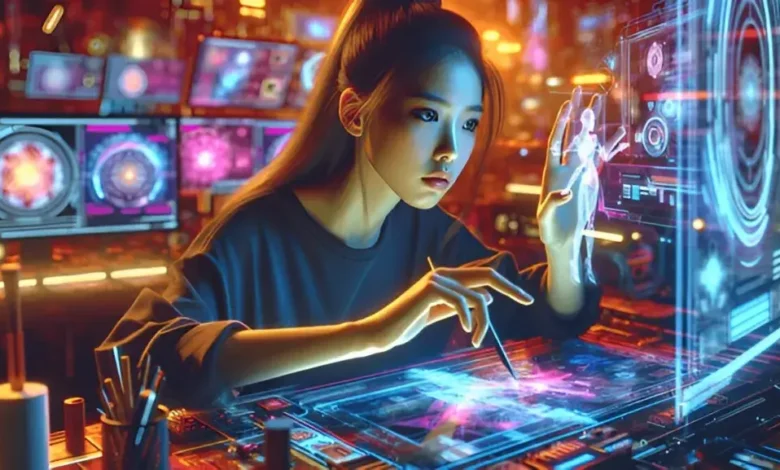
The newest generation of these tools goes beyond simple photo editing. They understand context, style, and artistic intent in ways that previous technology couldn’t match. You type a description, choose a few preferences, and watch as your vision takes shape on screen. The results often surprise even experienced designers with their quality and attention to detail.
What separates today’s platforms from earlier attempts is their versatility. You’re not locked into one style or limited to certain types of images. Whether you need a product photo, an abstract background, a cartoon character, or a realistic portrait, the same platform handles it all. This flexibility means you don’t need five different subscriptions or tools cluttering your workflow.
Many creators appreciate that modern platforms combine multiple functions under one roof. You can generate fresh content, edit existing images, apply artistic effects, and even work with video—all without jumping between different applications. This streamlined approach saves time and reduces the learning curve significantly.
Breaking Down the Learning Curve
One concern people often voice is whether they’ll need technical expertise to get started. The honest answer is no. Most platforms today prioritize user experience above everything else. They’re designed so that someone opening the tool for the first time can create something worthwhile within minutes. The interfaces typically use plain language instead of technical jargon, and many offer instant access without requiring account creation or payment information upfront.
This accessibility matters because it democratizes creative work. A small bakery owner can now design their own promotional posters. A teacher can create custom illustrations for lesson materials. A blogger can produce unique featured images instead of relying on overused stock photos. The technology serves anyone who needs visual content, regardless of their background or training.
The daily credit systems many platforms offer let newcomers experiment without financial commitment. You can test different approaches, discover what works for your needs, and build confidence before considering any paid options. This try-before-you-buy approach removes much of the risk from adopting new technology.
Practical Applications Across Industries
Marketing teams have embraced these tools enthusiastically. They can test dozens of ad variations quickly, finding what resonates with audiences before committing to expensive photoshoots. Social media managers produce consistent, on-brand content daily without depleting their budgets or burning out their designers. The speed advantage alone makes a significant difference in fast-moving digital spaces.
Content creators face constant pressure to produce fresh, engaging visuals. An AI Image Generator becomes their secret weapon, helping them maintain quality and consistency even with demanding publishing schedules. Rather than scrambling for stock photos that might appear on competitor sites, they create unique images that strengthen their brand identity.
E-commerce businesses benefit particularly well. Product visualization, lifestyle imagery, and seasonal campaigns all become more manageable. A company selling furniture can show their pieces in various room settings without organizing multiple photoshoots. Clothing retailers can display their products in different contexts and on diverse models. The possibilities expand while costs decrease.
Even personal projects gain new life. People planning weddings create custom invitations. Hobbyists design artwork for their homes. Writers develop cover concepts for their novels. The technology serves professional and personal needs equally well, adapting to whatever challenge you present.
Beyond Simple Generation
Creating images from scratch represents just one capability. The editing features these platforms offer rival traditional photo manipulation software. You can remove backgrounds, adjust colors, change lighting, add or remove elements, and apply countless effects—all through intuitive interfaces that don’t require you to understand layers, masks, or blend modes.
Video capabilities are expanding rapidly too. Short clips, animated elements, and video effects that once demanded specialized knowledge now come within reach of regular users. This matters as video content becomes increasingly central to online communication. Being able to edit and enhance video alongside images in one platform simplifies workflows considerably.
The effects libraries available through modern tools deserve special mention. Artistic filters, style transfers, and creative transformations let you reimagine existing content in countless ways. A simple photo can become an oil painting, a pencil sketch, or a futuristic digital artwork. This versatility helps content stay fresh and engaging without always starting from zero.
Getting Started Without Overwhelm
If you’re curious about trying an AI Image Generator, start simple. Pick one specific project or need rather than trying to learn everything at once. Maybe you need a blog header, a social media post, or a presentation slide. Focus on that single goal first. Type a clear description of what you envision, experiment with a few variations, and see what the tool produces.
Pay attention to which approaches yield better results. Sometimes more detailed descriptions help. Other times, keeping things simple works better. You’ll quickly develop an instinct for how to communicate effectively with the system. This learning process happens naturally through experimentation rather than studying manuals.
Don’t worry about making mistakes or creating imperfect results initially. Every experienced user went through the same learning phase. The beauty of these tools is that trying again costs nothing but a few seconds. Generate multiple versions, compare them, and refine your approach based on what you see.
The Bigger Picture
These technologies represent more than convenient shortcuts. They’re fundamentally changing how we think about visual communication. The gap between having an idea and expressing it visually has narrowed dramatically. This shift empowers individuals and small teams to compete with larger organizations that once dominated visual content through sheer resource advantage.
The democratization of creative tools echoes previous technological shifts. Just as word processors made everyone a publisher and smartphones made everyone a photographer, AI-powered creation tools are making everyone a visual designer. This doesn’t diminish the value of professional expertise—it raises the baseline of what’s possible for everyone.
Looking ahead, these capabilities will likely become even more integrated into our daily tools. The distinction between “AI-generated” and “regular” content will blur as the technology becomes invisible infrastructure rather than a special feature. We’re watching the early stages of a significant transformation in how humanity creates and shares visual ideas.
Whether you’re running a business, building a personal brand, or simply exploring creative possibilities, now is an excellent time to experiment with what an AI Image Generator can do. The tools are accessible, the results are impressive, and the potential applications are limited only by imagination.